
By continuing to browser our site and use the services you agree to our use of cookies, Privacy Policy and Terms of Use. You can change your cookie settings through your browser.
I agree


Editor's note
When the first phase of the Hainan Provincial Museum officially opened to the public on November 15, 2008, it became China's youngest comprehensive provincial museum. Now an important cultural landmark and window for displaying Hainan, the museum has—over the past 15 years— diligently fulfilled its mission to enhance and shape the province's cultural influence.
Roundly praised by visitors as being "well worth the trip" and for helping to open their eyes to the charm that Hainan has possessed ever since antiquity, each and every one of the relics on display at the Provincial Museum embodies the essence of the island's history and culture. From the once embarrassing situation of "having relics but no building in which to display them" to becoming a landmark structure that uses culture to "weave" beautiful scenes, the Hainan Provincial Museum doesn't just tell history but witnesses it.

Image from "Customs of the Li People" provided by Hainan Provincial Museum.
An example of one of the treasures found at the museum is a Qing Dynasty (1644 - 1912) pictorial in Exhibition Hall 17. Fifteen pages in total, the square Qiong Li Fengsu Tu "Customs of the Li People" book is approximately 33cm on a side. The earliest known pictorial of the Li (Hlai) ethnicity, this book—which combines images with text to describe the geography of the regions where the Li live and their customs (including architecture, weaving, farming, singing, marriage, hunting, fishing, and trade)—is part of a Chinese tradition dating back over 1,000 years.
Although it sits silently in its display cabinet, not a few of the visitors to the museum come specifically because they are attracted by its reputation. That said, few people know the rocky path it traveled to the Hainan Provincial Museum.
Donated to Henan's Xinxiang Museum by General Zhao Teng-yu (1898–1937), after the "Customs of the Li People" was featured in Beifang Wenwu "Northern Cultural Relics" in 1986, it caught the attention of Hainan local authorities. Sending people to Xinxiang to negotiate, it would take three and a half years, and nearly a dozen meetings before parties in Henan were sufficiently moved by the perseverance of the now newly formed province and agreed to send this cultural relic "home".

Photo by Hainan Provincial Museum.
“Because the Li lack a written language, it is challenging to form an accurate picture of their development history. Therefore—as a tool for studying the history of the Li—one cannot overstate the value found in how this early pictorial's text and images display their historic customs," said Su Qiya (Hainan Provincial Museum Director). Although the journey home by the "Customs of the Li People" predates the construction of the current building 15 years ago, this story is a vivid example of the hard work that the Museum and its staffers have put in at discovering and displaying Hainan's culture.
"The relics collected by our museum showcase our province's unique history and culture, our ethnic minorities and their culture, our maritime heritage, and our connection with the Hainanese diaspora," said Wang Huishan (Hainan Provincial Museum Deputy Director and Research Librarian). Meaning "mysterious wonderland in the far south," the theme of the museum's comprehensive exhibition of Hainan's historical style and unique culture is based on a poem by Hainanese scholar Qiu Jun (1421 - 1495).
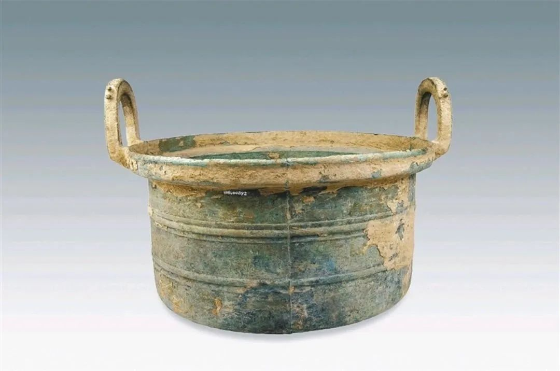
Han Dynasty (202 B.C. - 220 C.E.) double-eared copper cauldron provided by Hainan Provincial Museum.
Among the cultural relics related to the ancient Maritime Silk Road, the remains of the "Huaguang Reef I" shipwreck and the relics collected on Huaguang Reef are not only vital to understanding international trade patterns during the Southern Song Dynasty (1127–1279), they are also a landmark case in Chinese underwater archeology's moving ever deeper.

Photo by Hainan Provincial Museum.
Among the relics coming from ethnic minorities, Li brocade is particularly special. The "dragon quilts" belonging to the museum are the culmination of the Li's artistry at spinning, dyeing, weaving, and embroidery.
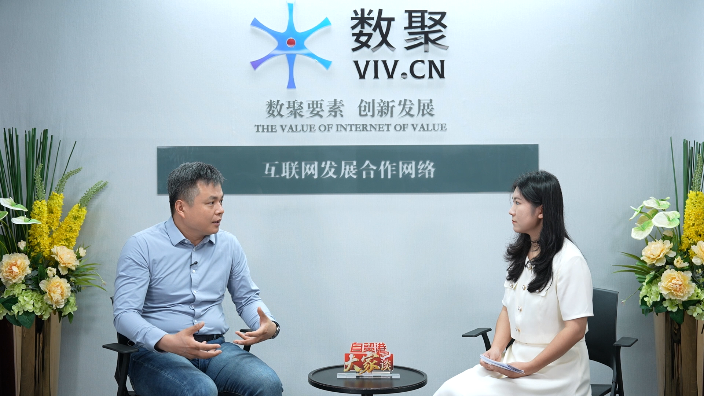
FTP Expert Talks | Xiaodong Lee, Vice President of the Internet Society of China and Founder of the Fuxi Institution: Hainan is the "Nebula" of New Digital Youth
09:47, 12-September-2025Hainan Issues Offshore RMB Bonds in HK for 4th Consecutive Year
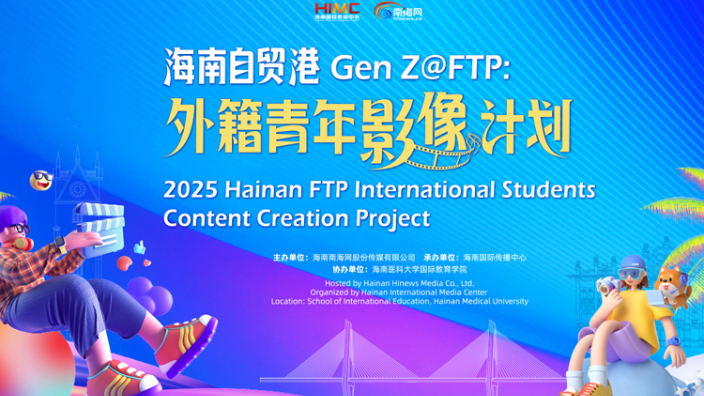
09:46, 12-September-20252025 Hainan FTP International Students Content Creation Project
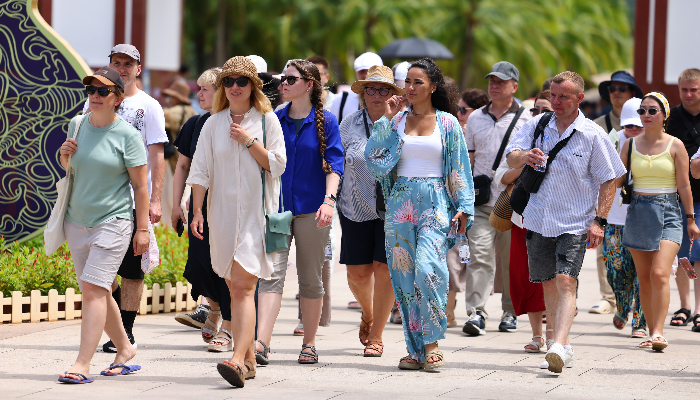
02:28, 12-September-2025What Makes "Hainan Travel" So Appealing?
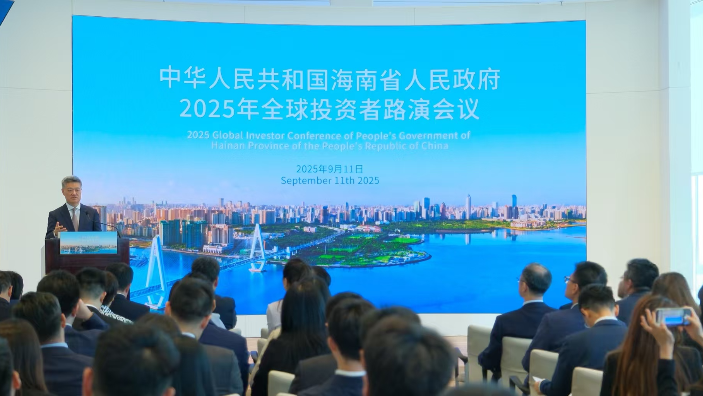
09:38, 11-September-2025100 Days to Go: What's Next for Hainan-Hong Kong Cooperation?
09:38, 11-September-2025Expert Talks Ep. 4: The Future of the FTP's Digital Economy
09:35, 11-September-2025
By continuing to browser our site and use the services you agree to our use of cookies, Privacy Policy and Terms of Use. You can change your cookie settings through your browser.

Copyright © 2021 hiHainan.All rights reserved.琼ICP备09005000号-13
 thisishainan@163.com
Partner: Hainan College of Foreign Studies