
By continuing to browser our site and use the services you agree to our use of cookies, Privacy Policy and Terms of Use. You can change your cookie settings through your browser.
I agree


Editor’s note:
Intangible Cultural Heritage carries the cultural memories of the people, encapsulating their history and the paths that they have taken. Each type of intangible cultural heritage creates a unique method for local culture to be transmitted both outwardly as well as down through time. June 11 is China’s Cultural and Natural Heritage Day. In order to better protect, pass on, and make good use of Hainan’s intangible cultural heritage, as well as promote China’s outstanding traditional culture and assist in the development of the Hainan Free Trade Port’s cultural industry, the Hainan International Media Center and the Hainan International Communication Network have put together a special series called Intangible Hainan. The series brings the audience a deeper understanding of Hainan’s Intangible Cultural Heritage through the eyes of Russian Overseas Communication Officer Inira Baiburina. Join her as she experiences the unique charm of Hainan’s intangible cultural heritage.
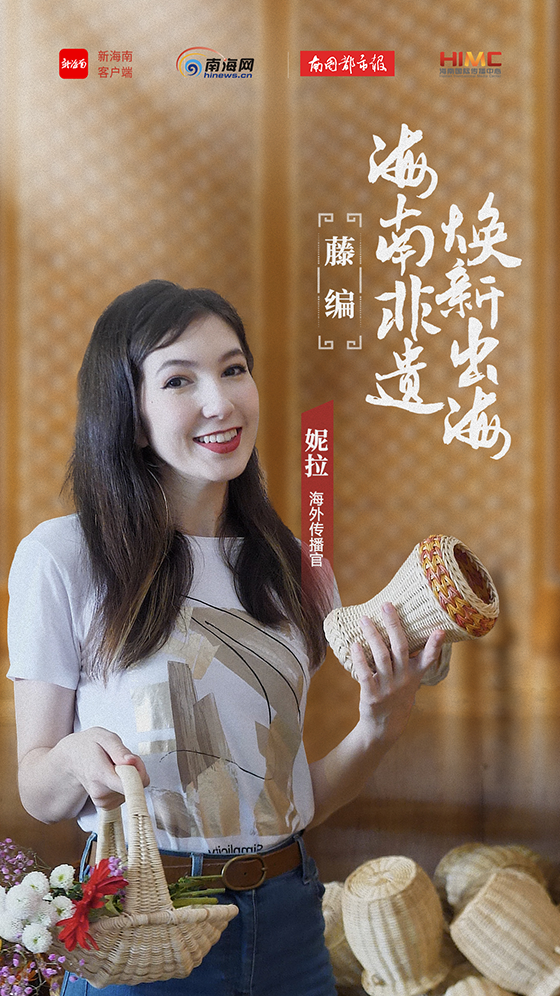
Rattan weaving, the traditional art of creating all kinds of household items and furniture from woven rattan vines, was added to Hainan’s provincial directory of intangible cultural heritage in 2009. In Hainan, this art has been practiced since time immemorial, with the earliest reference to rattan tools being made and used by the people of Hainan recorded in the Tang Dynasty period. This ancient art has continued to be passed down from generation to generation on the tropical island. One of the defining traits of the Li people is their habit of living in mountainous areas, where rattan vines grown in abundance. The Li use this ubiquitous resource to weave all kinds of useful tools, household items, and furniture, and so it is said that the slim but strong rattan vine is woven into every part of their lives.
Li woven rattan products are exquisitely handcrafted from carefully selected, high quality vines which must be expertly bleached, insect-proofed, and dyed. Hainan Province Rattan Weaving Heritage Representative Chen Huizhen has 53 years of experience weaving rattan. In her skilled hands, as well as those of her colleagues, tightly woven and intricately patterned rattan products of all sizes and shapes appear one after the other, and soon these highly prized items are dispersed far and wide.
“In the 1980’s, rattan was a hot item on the market, with many items even being sold abroad, where they were quite popular with shoppers” said Ms. Chen. These days, however, due to the onslaught of industrialization, traditional, handcrafted rattan woven items have fallen by the wayside. According to Ms. Chen, as the speed of people’s lives increases, they have less and less interest in traditional crafts. She and the other rattan artisans are working hard to reverse that trend. They continue to diligently weave new rattan products, passing down the art of Li Rattan Weaving. Each new peice of woven rattan is unique, and each is more valuable than the last.
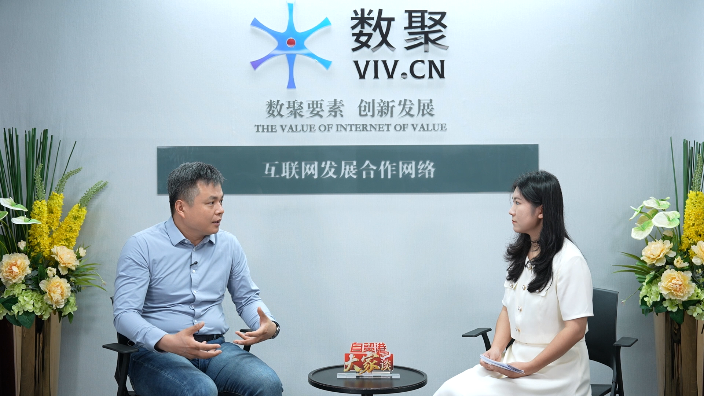
FTP Expert Talks | Xiaodong Lee, Vice President of the Internet Society of China and Founder of the Fuxi Institution: Hainan is the "Nebula" of New Digital Youth
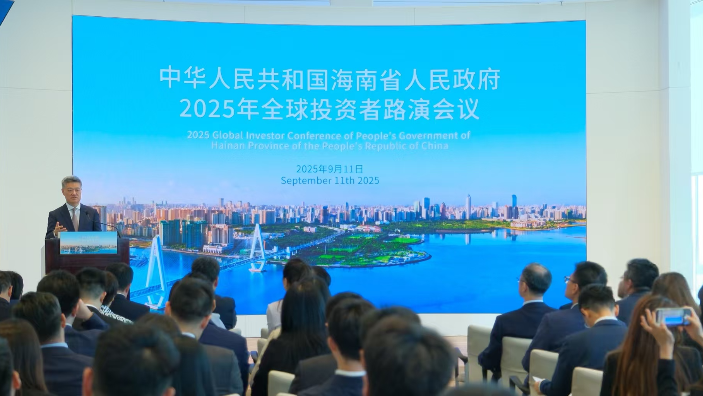
09:47, 12-September-2025Hainan Issues Offshore RMB Bonds in HK for 4th Consecutive Year
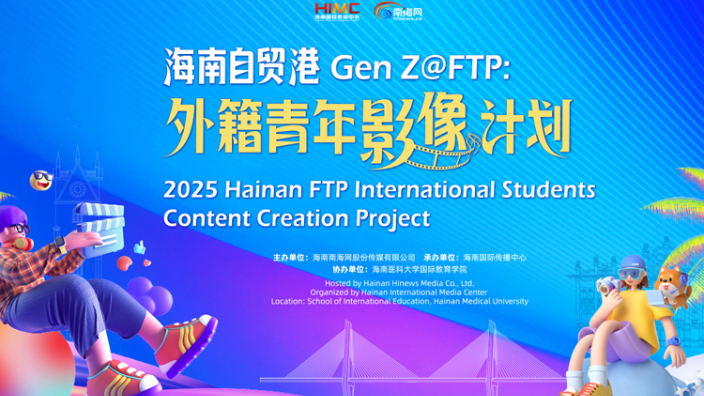
09:46, 12-September-20252025 Hainan FTP International Students Content Creation Project
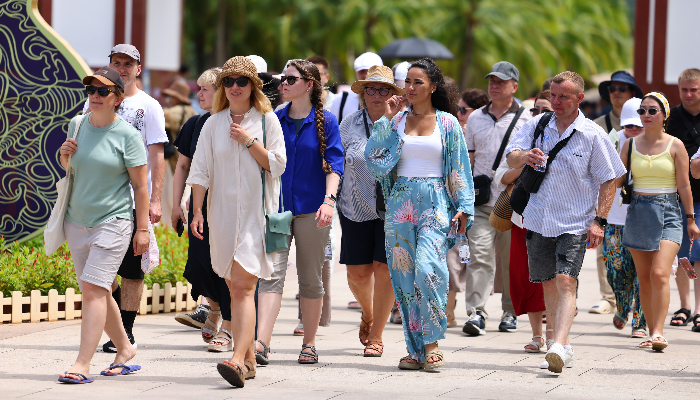
02:28, 12-September-2025What Makes "Hainan Travel" So Appealing?
09:38, 11-September-2025100 Days to Go: What's Next for Hainan-Hong Kong Cooperation?
09:38, 11-September-2025Expert Talks Ep. 4: The Future of the FTP's Digital Economy
09:35, 11-September-2025
By continuing to browser our site and use the services you agree to our use of cookies, Privacy Policy and Terms of Use. You can change your cookie settings through your browser.

Copyright © 2021 hiHainan.All rights reserved.琼ICP备09005000号-13
 thisishainan@163.com
Partner: Hainan College of Foreign Studies