


A family trip to Mulan Bay in Wenchang recently led to an unexpected discovery beyond its iconic lighthouse—a new cultural and culinary destination celebrating one of Hainan's best-known intangible cultural heritage foods.
Our original plan was simply to take our two children to see the 72-meter-tall Mulan Bay Lighthouse for the first time. After enjoying panoramic views of the coastline, turquoise waters and rows of wind turbines from the top, another striking landmark caught our attention: a gleaming white building overlooking the sea.
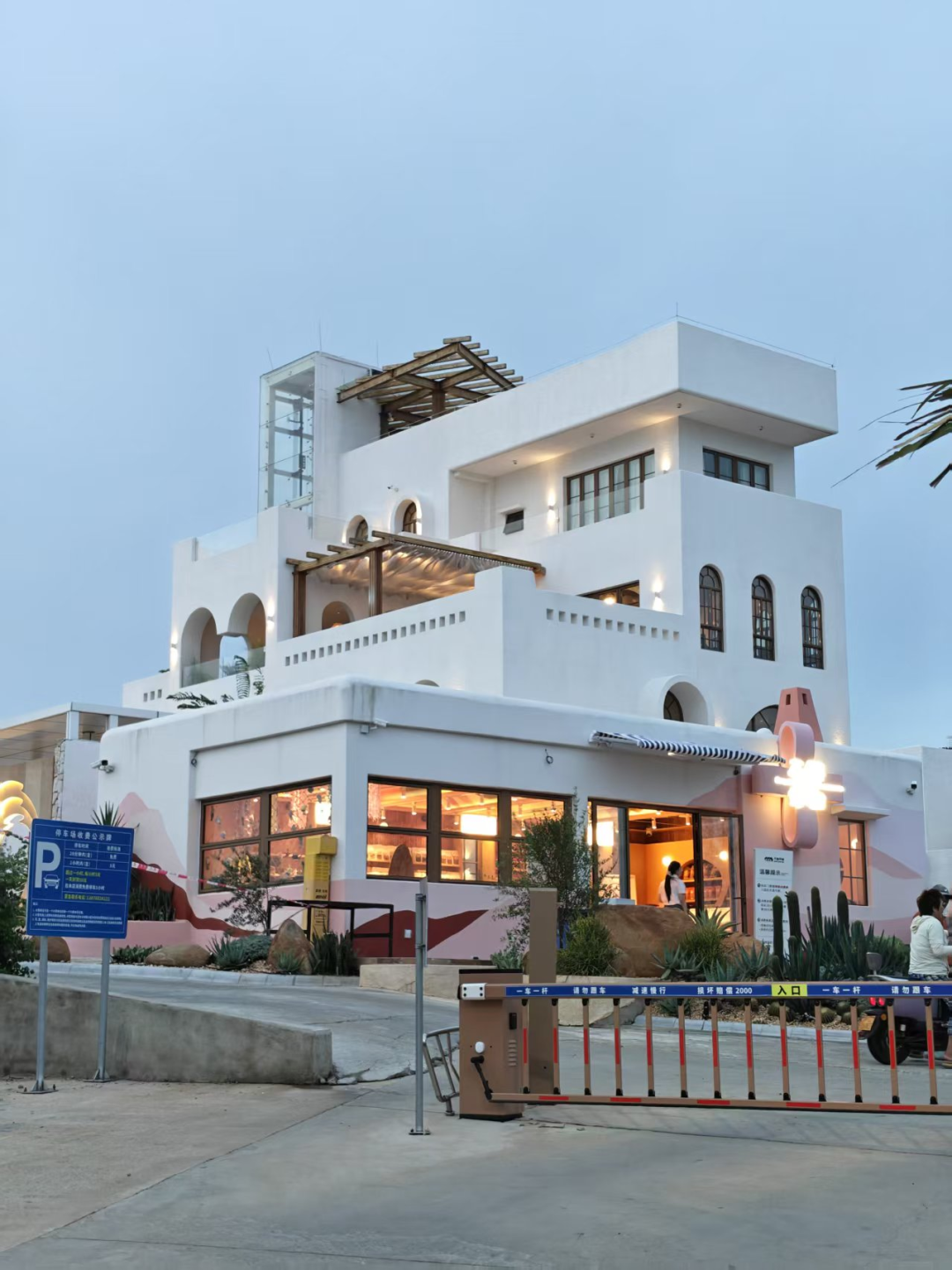
Restaurant and gift shop as seen upon arrival. Photo by Joseph Zhou
With its white arches, open terraces, flowing curtains and resort-like design, the newly opened Sanpo (Three Grandmas) Zaopocu Cultural Museum and Leisure Estate immediately stood out as one of the area's most eye-catching attractions.
Officially launched on a trial basis in February, the complex combines a museum, restaurant and leisure space dedicated to preserving the traditions of Zaopocu, one of Hainan's signature sour-and-spicy dishes.
Our only initial reservation was the admission system. Visitors are required to purchase a ticket before entering, although the fee is refunded after dining at the restaurant. As this policy was not immediately clear, it created some initial confusion. Fortunately, once inside, the experience quickly dispelled any hesitation.
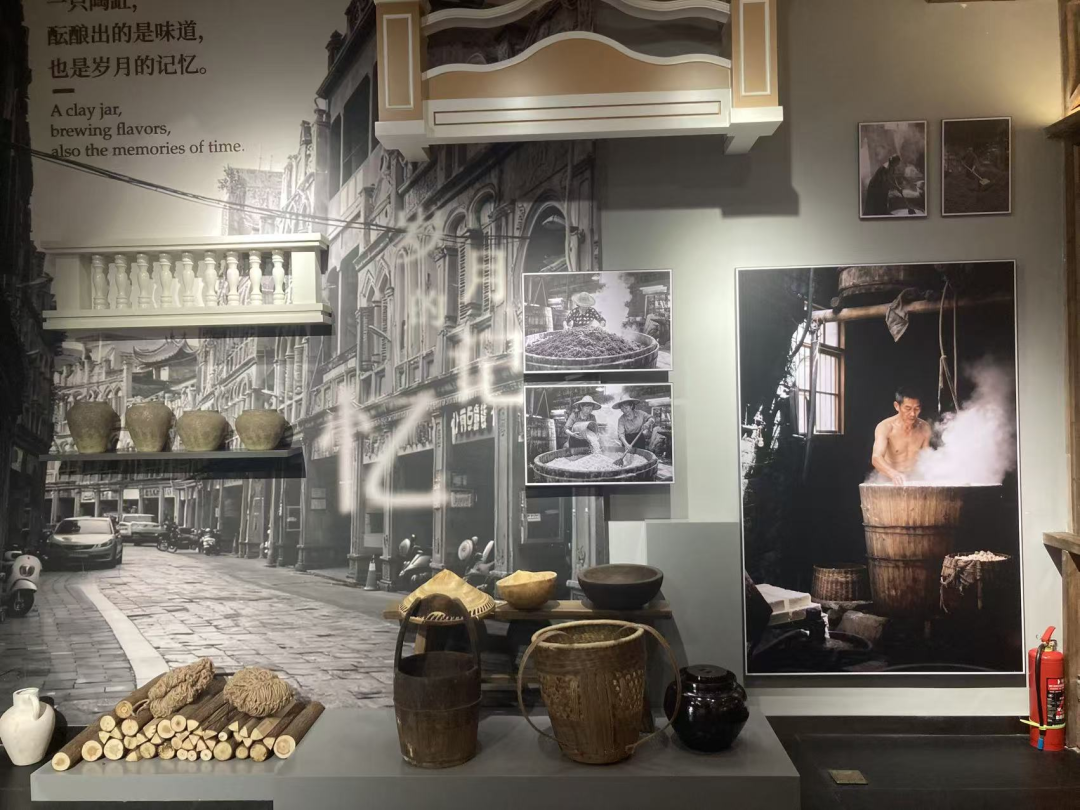
Displays and exhibits at the museum. Photo by Eva Molaro
The complex extends far beyond a dining venue. Developed with an investment of around 30 million yuan, it was designed as both a cultural attraction and a showcase for the history of Zaopocu.
The museum, tucked beneath the main sea-view pool, proved to be the highlight of our visit. Rather than relying on traditional displays alone, it uses interactive exhibits to tell the story behind the "Three Grandmas" and the origins of the famous dish.
Historical artifacts—including traditional silver jewellery, fishing equipment and a raincoat woven from dried leaves—offer a glimpse into the lives of earlier coastal communities.
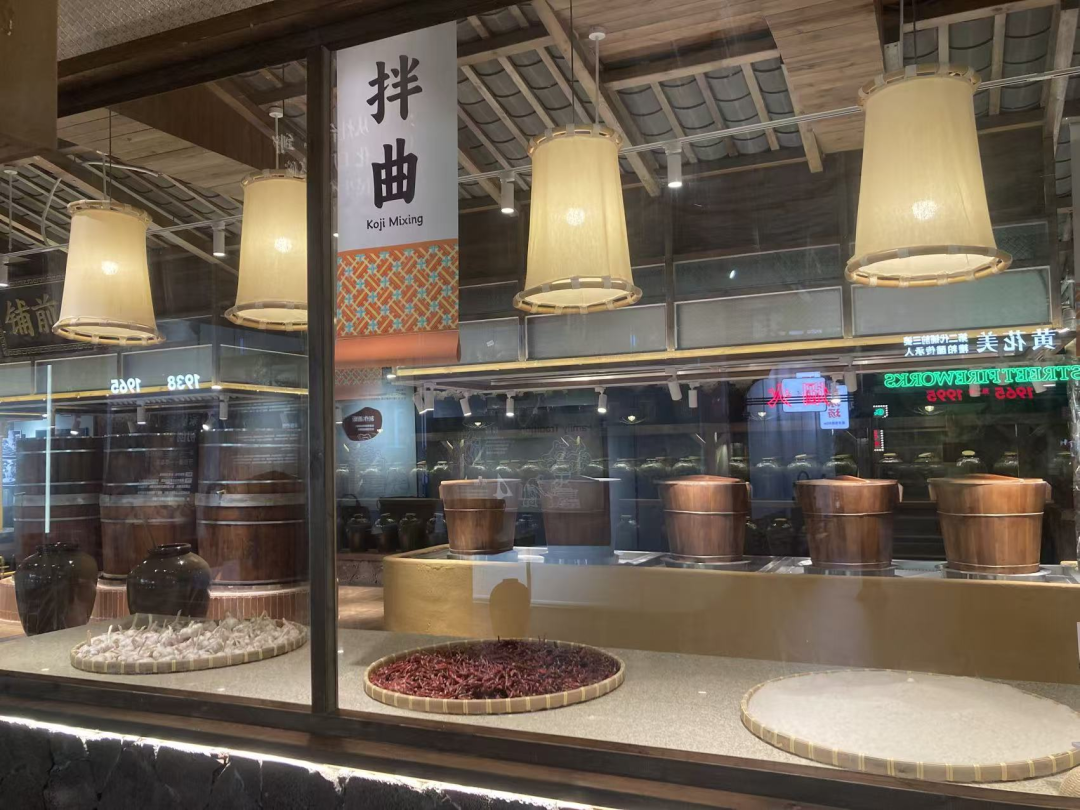
Zaopocu ingredients on display at the museum. Photo: Eva Molaro
The museum's multi-sensory approach makes the experience especially engaging. Visitors can listen to recordings of Zaopocu vendors calling out in the local Wenchang dialect, complete with written translations, and smell the herbs and spices that give the broth its distinctive flavour. Interactive exhibits throughout the museum proved particularly popular with our children, who eagerly explored every display.
Upstairs, the restaurant continues the experience with spacious dining areas overlooking Mulan Bay and its lighthouse. The second-floor terrace offered the best views, making it an ideal spot for lunch. Although the restaurant specialises in Zaopocu, we sampled a selection of Thai and Chinese dishes, all freshly prepared, beautifully presented and full of flavour.
The architecture is equally impressive. Designed around open spaces, reflecting pools and breezy terraces, the complex creates a relaxed seaside atmosphere that encourages visitors to linger.
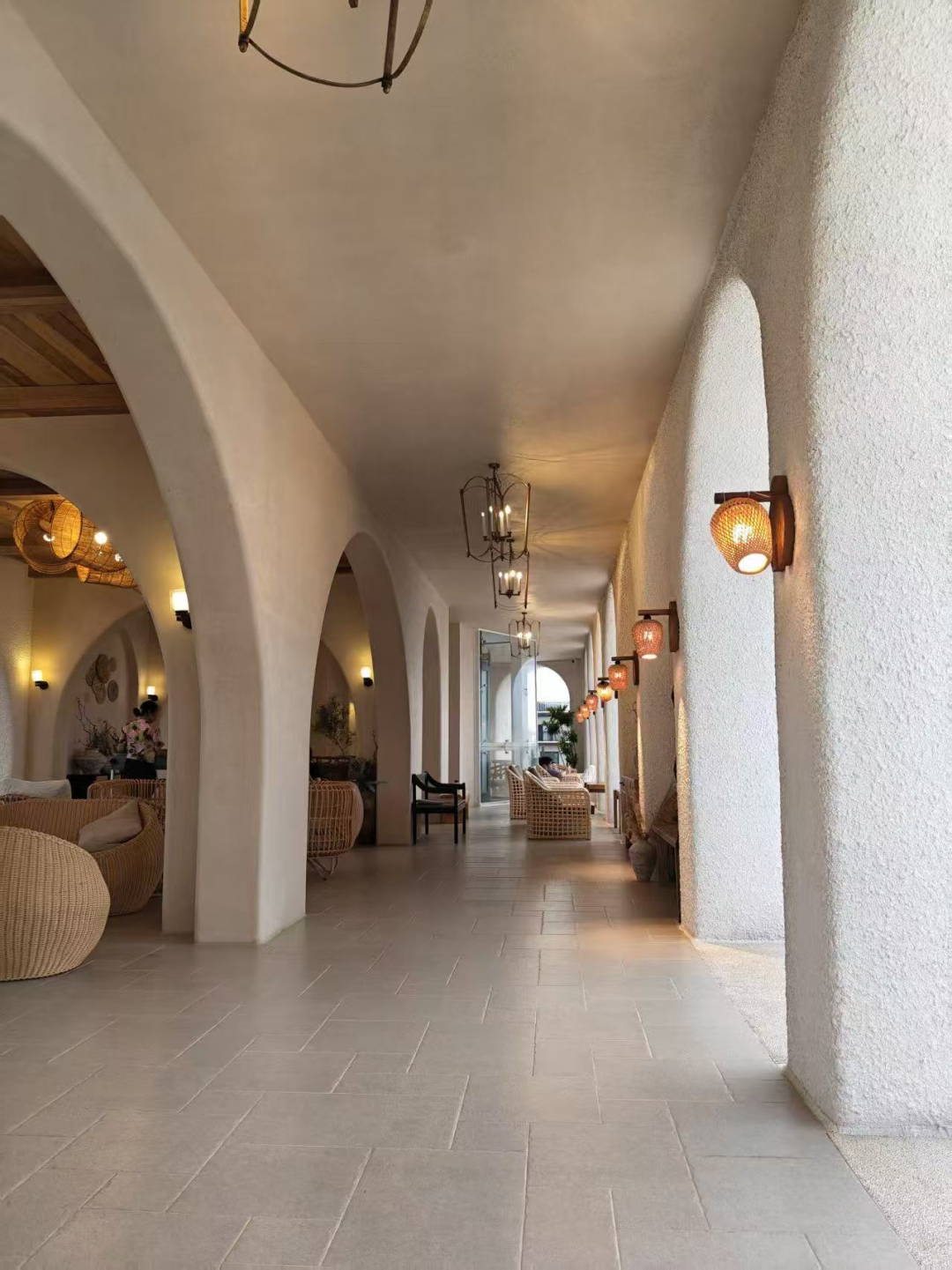
First floor hall at Sanpo Restaurant. Photo by Joseph Zhou
Nearly every balcony and viewing platform frames spectacular vistas of the lighthouse, coastline and offshore wind turbines, making the venue a favourite for photographers. Professional photography services are also available for visitors.
Yet the estate offers much more than scenic photo opportunities. By combining interactive cultural exhibits, quality dining and striking coastal scenery, it provides an engaging introduction to one of Hainan's most cherished culinary traditions.
Apart from the somewhat confusing ticketing policy and a limited selection of educational cultural products in the gift shop, the experience exceeded our expectations. The thoughtfully designed museum, excellent restaurant and stunning setting transformed an ordinary family outing into one of our most memorable day trips of the year.
For visitors exploring Wenchang's northeastern coast, the Sanpo Zaopocu Cultural Museum offers not only a memorable meal, but also a meaningful introduction to Hainan's rich culinary heritage.

Hainan Film Festival Opens Global Call for AI Films, with Features in Focus
10:19,26-October-2026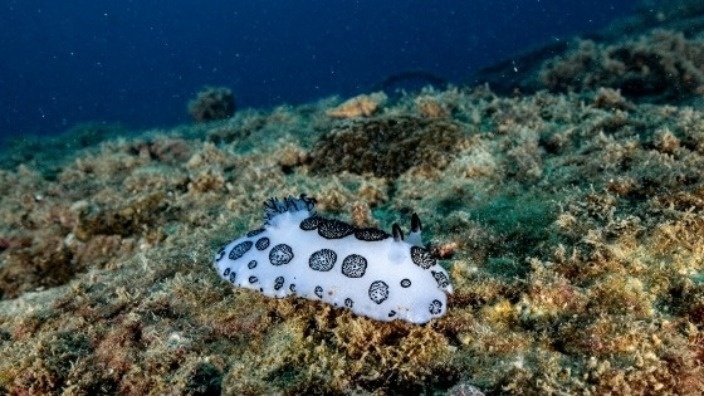
Restoration Success Story - ‘Panda Sea Slug’ Sighted in Sanya!
10:19,26-October-2026
Shymkent - Sanya - Singapore Route Links Central & SE Asia!
10:19,26-October-2026
Why Do Neighbors Gather Under a 200-Year-Old Tree in China?
17:29,23-October-2026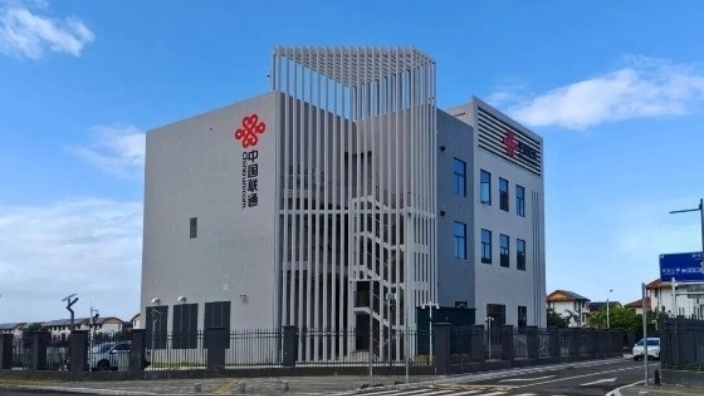
Dual Submarine Cables Cut Hainan-Singapore Latency by 9 Milliseconds
17:29,23-October-2026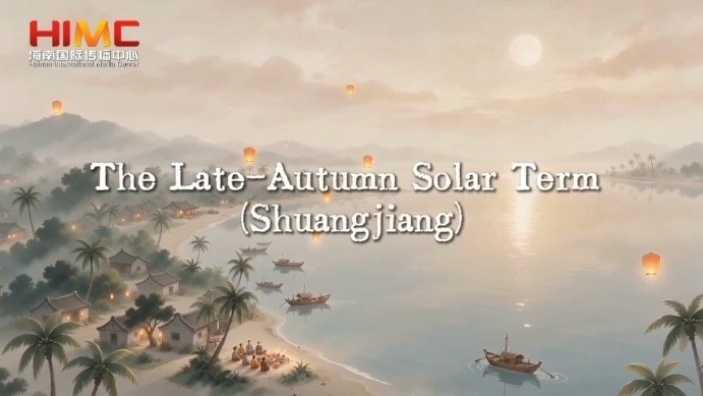
Hainan Through Culture: Shuangjiang – The Island’s Late-Autumn Table
17:29,23-October-2026

Copyright © 2021 hiHainan.All rights reserved.琼ICP备09005000号-13
 thisishainan@163.com
Partner: Hainan College of Foreign Studies