


With laughter and joy carried on sea breezes, Beigang Island in Haikou was filled with festive cheer this Spring Festival. On February 22 (the sixth day of the Lunar New Year), children gathered around tables to weave fishingnet handbags, craft DIY metal flower brooches, and piece together bead art featuring elements of Beigang’s marine life. Between their fingertips, fishing culture met childlike creativity.
This year’s Beigang Island Fisherfolk New Year Festival focused on marine and wetland ecology, offering a rich program of interactive experiences. Visitors participated in activities such as “catching fish in muddy water” and netcasting games adapted from the traditional practices of seasoned fishermen, while time-honored customs like praying for blessings at Beigang Temple were also kept alive.

“We’ve designed a wide range of activities for visitors of all ages,” said village official Lin Meiyan. “For children, we have DIY shell pendants and oystershell treasure hunts. There are also fishingculture dance performances, traditional guqin music, and a village-wide ‘fishing fun’ stampcollecting trail.”
Among the most popular attractions was the fishingnet handbag workshop and stall, which stayed busy throughout the day. Ms. Fu, a local visitor from Haikou, picked out a small, delicately woven bag. “It’s made using traditional weaving techniques. It’s so creative and really captures the character of Beigang Island. I like it a lot,” she said. A staff member joked, “This is the real deal—Beigang Island’s very own ‘LV’!” The light-hearted comment drew laughter from the crowd.

According to Lin, the idea for the festival was to blend the warmth of the Chinese New Year with the fun of seaside fishing culture, while also promoting ecological awareness. “When children go on oystershell treasure hunts or make shell crafts, they learn about coastal resources. When adults try casting nets and catching fish, they become more aware of why protecting the sea matters. As everyone enjoys the holiday, they naturally become more conscious of safeguarding these waters and tidal flats. That’s exactly what we hope to achieve,” she explained.
For community elder Mrs. Wang, a former fisherwoman, the lively festival scenes bring mixed feelings of nostalgia and pride. “The changes have been tremendous,” she said. In the past, villagers relied on rowing boats to fish offshore, consuming a lot of time and energy. Today, motorized boats have made going out to sea much easier. “I never imagined that the old net-weaving skills passed down from our elders could find new expression and become so popular. It’s comforting to see this craft preserved and given new life.”
Beigang Island’s eco-creativity is also evident in its widespread upcycling of discarded materials. At Lin Ming’s cultural creative stall, oyster-shell lamps and other shell handicrafts were neatly arranged, catching the eye of many visitors. “These are all made from discarded shells,” she explained. “With some simple processing, they become distinctive lamps and ornaments. Visitors can try making them here or buy the finished pieces.”

As part of their remit as Beigang’s youth innovation team, Lin and her like-minded partners are transforming coastal “castaways” into creative products, combining the island’s ecological features with traditional fishing resources to boost both environmental protection and local industry.
This Spring Festival, Beigang Island’s shoreline has been bustling with a steady stream of visitors.
Looking to the future, Lin said, the local community will continue to offer engaging experiences that help more people appreciate the island’s ecological beauty and participate in protecting its coastal environment—enabling the village to endure the tides of the times.

Hainan Film Festival Opens Global Call for AI Films, with Features in Focus
10:19,26-October-2026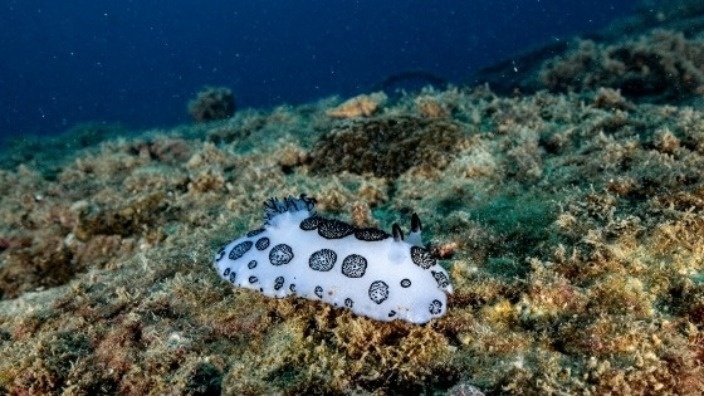
Restoration Success Story - ‘Panda Sea Slug’ Sighted in Sanya!
10:19,26-October-2026
Shymkent - Sanya - Singapore Route Links Central & SE Asia!
10:19,26-October-2026
Why Do Neighbors Gather Under a 200-Year-Old Tree in China?
17:29,23-October-2026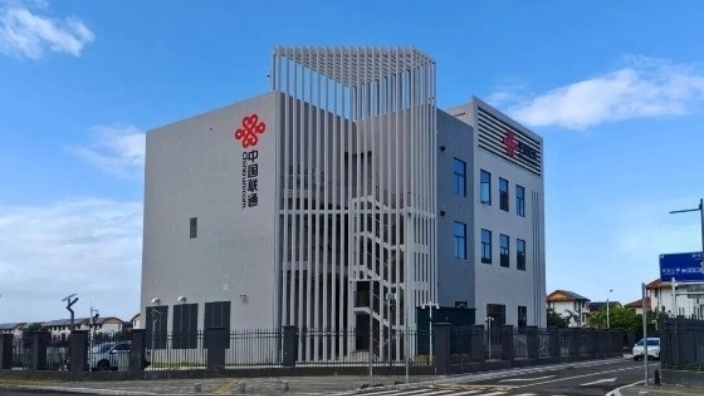
Dual Submarine Cables Cut Hainan-Singapore Latency by 9 Milliseconds
17:29,23-October-2026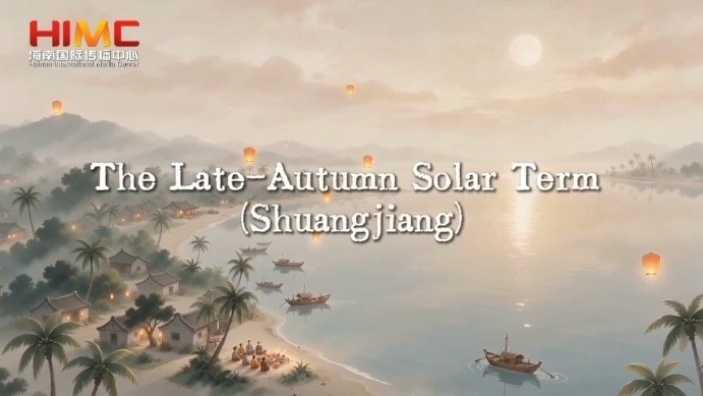
Hainan Through Culture: Shuangjiang – The Island’s Late-Autumn Table
17:29,23-October-2026

Copyright © 2021 hiHainan.All rights reserved.琼ICP备09005000号-13
 thisishainan@163.com
Partner: Hainan College of Foreign Studies