


The recent Wuzhishan Ecological Literature Week was more than just a cultural event; it became a unique space where diverse perspectives on the natural world intersected. Although the week has come to a close, the conversations it sparked continue to resonate. How do we make sense of nature today? How do we translate the complex language of the tropical rainforest, evolution, and ecology into stories that deeply resonate with the human heart?
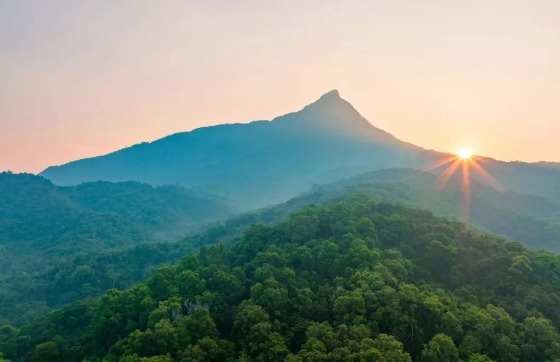
Photo: Li Tianping
To find the answer, we recorded a three-part interview series with individuals who explore nature from entirely different angles, yet share the same core mission – highlighting the profound connection between humanity and the environment.
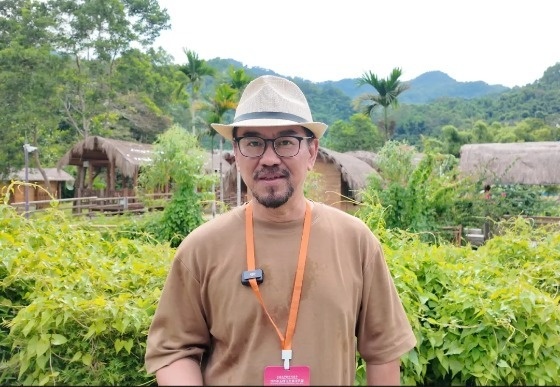
Shen Wei / Interview screenshot
From the perspective of literature and philosophy, writer Shen Wei opens the dialogue by reflecting on the poetic bond between humans and the natural landscape, setting the stage for deep ecological thought. Continuing this literary journey, writer Fu Fei delves into the subtle spiritual threads that tie people to the forest, reminding us that ecological literature is a way to discover our true place within the ecosystem.
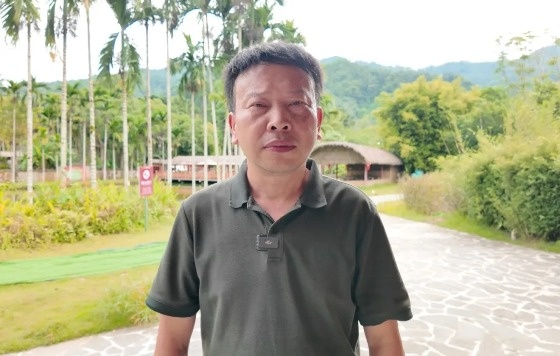
Fu Fei / Interview screenshot
On the other hand, science offers its own compelling narrative. Zhang Zhe, a botanist and Associate Research Fellow at Hainan University, proves that scientific research can be as captivating as a mystery novel. Using the fascinating evolutionary "deception" of orchids as an example, he demonstrates how strict botanical facts can be transformed into vivid, living stories full of natural intelligence and extraordinary beauty.
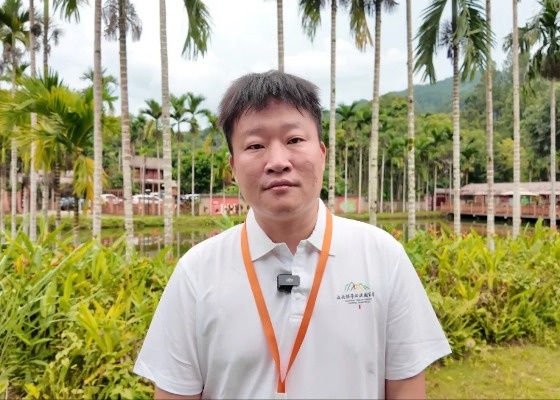
Zhang Zhe / Interview screenshot
Literature grants us empathy, while science provides us with profound understanding. By uniting the two, we unlock the key to a more mindful and caring relationship with our planet.
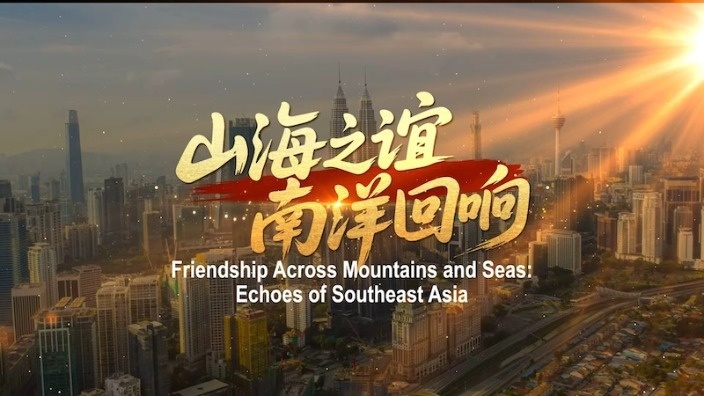
Friendship Across Mountains and Seas: Echoes of Southeast Asia
17:40,26-August-2026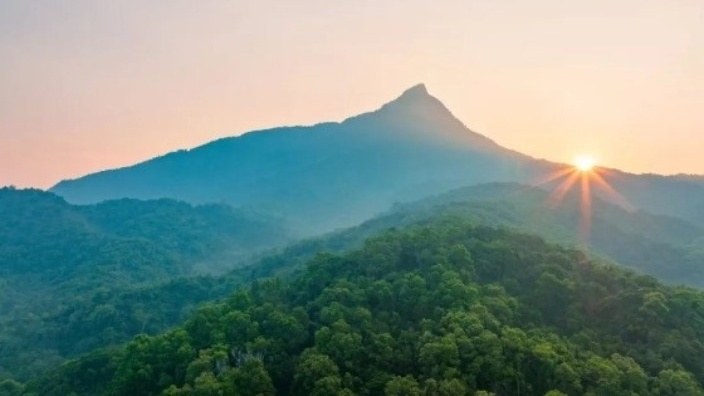
Between Science and Poetry: How We Tell the Stories of Nature
17:40,26-August-2026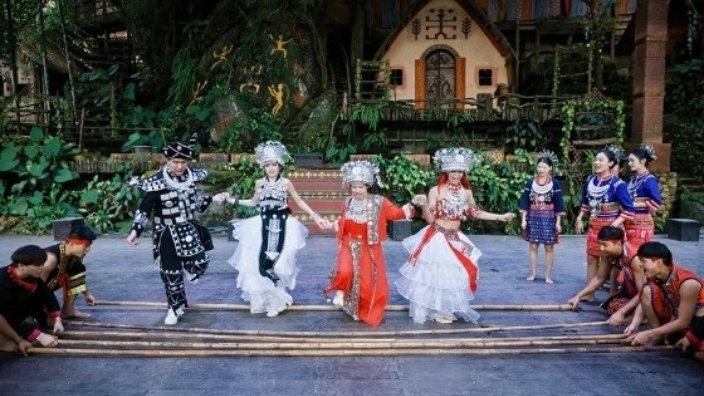
When Li “Bolong” Meets Filipino Tinikling: A Cross-Sea “Family Visit”
17:40,26-August-2026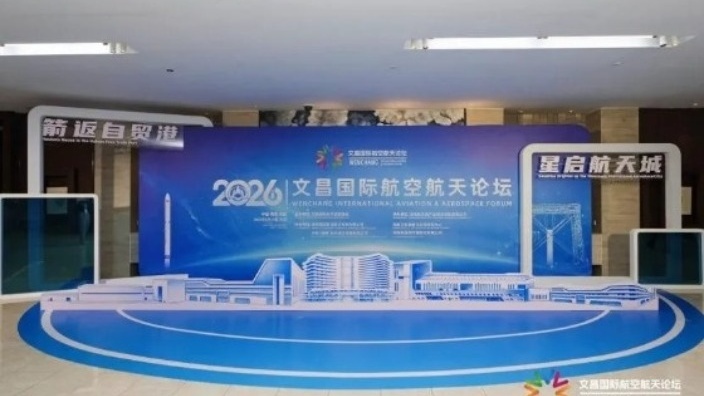
2026 Wenchang International Aviation & Aerospace Forum Opens
17:40,26-August-2026
Unlocking Haikou in 24 Hours: From the Historic Quarter to FTP Development
21:19,24-August-2026
Lingshui: Cable Car Over the Sea, Monkey Islet Encounters
21:19,24-August-2026

Copyright © 2021 hiHainan.All rights reserved.琼ICP备09005000号-13
 thisishainan@163.com
Partner: Hainan College of Foreign Studies