


As the Hainan Free Trade Port (FTP) marks the first 100 days of island-wide special customs operations, public attention has largely focused on policy openness, trade facilitation, tax advantages, and industry opportunities. From a longer-term perspective, however, what makes Hainan truly promising is not just the flow of goods, capital, and projects, but rather the flow of talent, information, and capabilities. If policies determine whether Hainan can ‘attract companies’ it is the talent system that determines whether the province can truly ‘retain value, foster an ecosystem, and serve national strategies’.
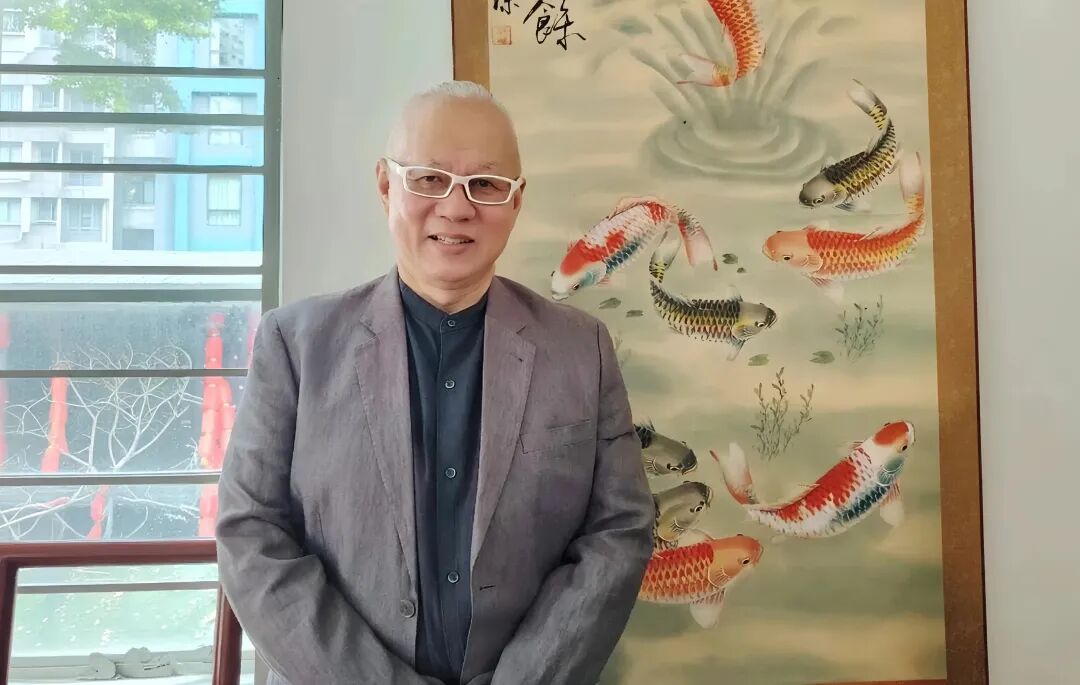
In China's new paradigm of opening-up, Guangxi serves as a vital land gateway to ASEAN, while the Guangdong-Hong Kong-Macao Greater Bay Area (GBA) is as the country's most mature hub for industry, technology, and finance. Hainan's unique value, however, does not lie in simply replicating the functions of these two regions, but in assuming a more forward-looking role: developing platforms for ‘glocal’ (a neologism combining the concepts of ‘global’ and ‘local’) talent, institutional opening-up, and cultural connectivity between China and ASEAN. ‘glocal talent’ refers to versatile international professionals who are both well-versed in international rules and deeply rooted in local markets.
Hainan's greatest potential lies in not merely becoming a free trade port, but acting as a testing ground for the deep integration of China and ASEAN’s talent, intellect, industries, and cultures. Especially in light of of the continuous advancement of the Belt and Road Initiative (BRI), the rapid pace at which Chinese companies are ‘going global', and the ever-deepening cooperation between ASEAN nations and China, Hainan is fully equipped to shoulder a more significant mission. The province is capable of attracting outstanding youth, professionals, scholars, and industry experts from Southeast Asia to engage in training, research, entrepreneurship, exchanges, and industrial synergy in Hainan, serving the Hainan, China, and ASEAN at large.
Southeast Asian talent offers innate advantages. These highly-skilled professionals generally boast multilingual skills, understand Asian culture, and are familiar with Western systems, exhibiting strong cross-cultural adaptability and inclusiveness. For Chinese companies today, the most glaring shortage is often not capital, but talent who understand local contexts, effective communication, different systems, and cultural nuances. If Hainan can leverage the policy advantages of the FTP to systematically promote a ‘glocal talent’ cultivation program and establish mechanisms for attracting, training, certifying, incubating, and retaining talent tailored for ASEAN, this will create an opportunity to forge a unique competitive edge that no other region of China can offer.
Looking ahead, Hainan should focus on education & training, international think tanks, industry-university-research cooperation, cross-cultural management, health & wellness, cultural & tourism creativity, and modern service industries to develop a talent-gathering platform oriented toward ASEAN. Hainan should work to attract not just short-term projects, but long-term wisdom, not just companies, but talent, and not just to attract investment, but to attract intellect.
For Hainan, special customs operations are not an endpoint, but a new starting point. If Hainan can further translate institutional advantages into talent advantages, transform geographical advantages into knowledge advantages, and consolidate opening-up advantages into ecological advantages, the province will transcend being merely a free trade port and become a crucial talent hub and intellectual highland connecting China and ASEAN.
In today's volatile and increasingly uncertain world, what truly determines the future importance of a region is not merely the extent of policy openness, but ability to attract, cultivate, and retain talent, enabling the area to make sustained contributions to national strategies, regional cooperation, and social development. Hainan's next step should be transitioning from an ‘island of opening-up’ to an ‘island of talent’, an ‘island of intellect’, and an ‘island of glocal capabilities’.
Future competition will no longer be solely about capital and industries, but about talent and cognition (especially in the age of artificial intelligence). Whoever can cultivate talent that understands both China and the world—talent capable of both taking root locally and connecting globally—will seize the initiative in the next phase of development. Hainan's true value lies not in how many companies it attracts, but in whether it can pool talent and nurture capabilities, ultimately serving as the core ‘glocal’ hub connecting China and ASEAN. (Author: Chiew Kok Peng)
(Dr. Chiew Kok Peng is the Secretary-General of the Belt and Road Economic Friendship Association of Malaysia and the Chief Advisor of the SME Association. He has long been dedicated to the research of China-Malaysia economic and trade cooperation as well as regional development).
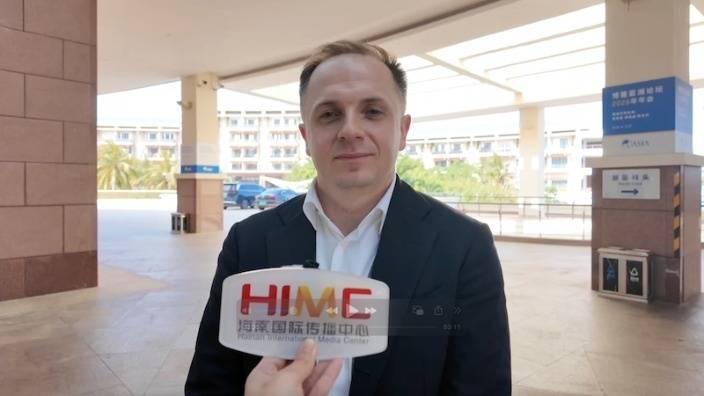
Egor Prokhin: Hainan serves as an ideal hub linking the East and the West
11:10,27-March-2026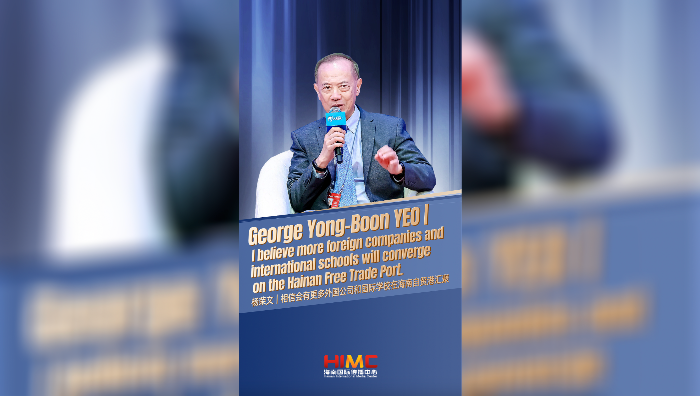
George Yong-Boon YEO: I believe more foreign companies and international schools will converge on the Hainan Free Trade Port
11:10,27-March-2026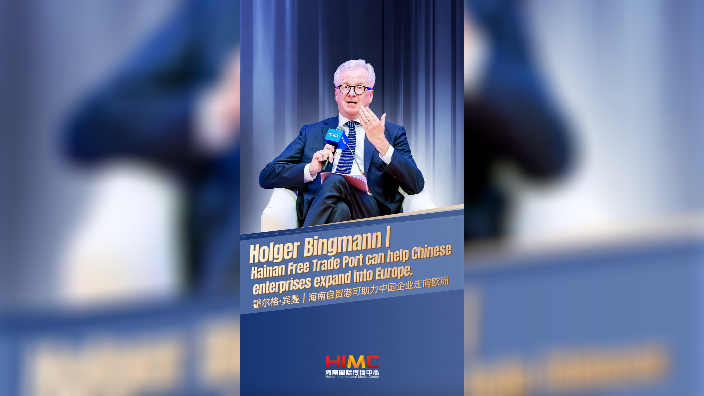
Holger Bingmann: Hainan Free Trade Port can help Chinese enterprises expand into Europe.
11:10,27-March-2026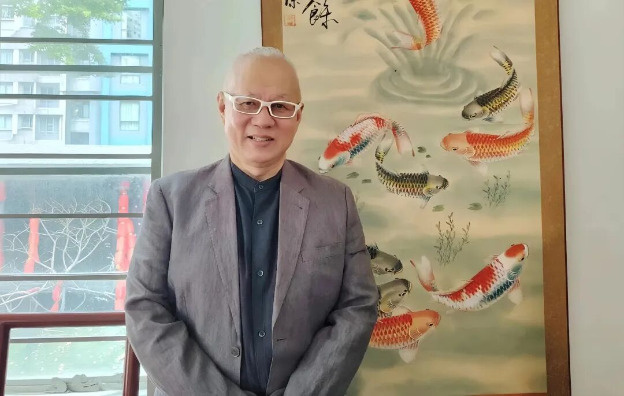
Chiew Kok Peng: Hainan Should Become a New ‘Glocal’ Talent Hub Connecting China & ASEAN
11:10,27-March-2026
24 Hours in Bo'ao
11:10,27-March-2026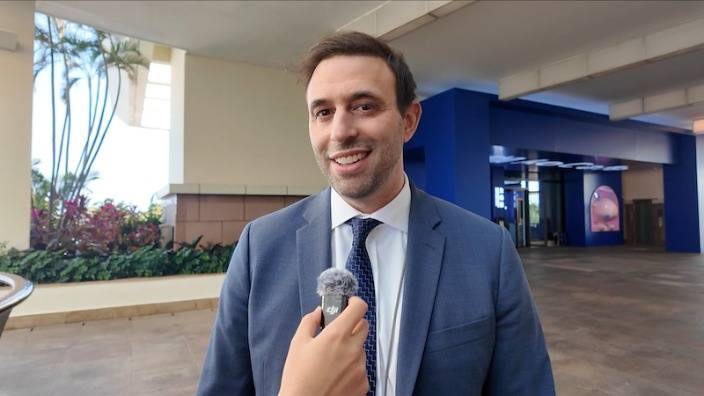
Jack Perry: Hainan is one of the places that every one is asking questions about.
11:10,27-March-2026

Copyright © 2021 hiHainan.All rights reserved.琼ICP备09005000号-13
 thisishainan@163.com
Partner: Hainan College of Foreign Studies