


In Hainan, sourness is more than just a flavor. It’s part of daily life, waking up the appetite during the hot summer and offering comforting warmth on cooler days. For centuries, these various sour tastes have nourished local tables while reflecting the island’s unique way of life.
Wenchang: Zaopocu
The story of Zaopocu starts with Wenchang’s fishing community. For generations, they have used lees (a sediment of yeast and other particles left behind in the barrel) from rice wine brewing, fermented them again, and simmered them to create a richly aromatic, slightly sour broth. Add fresh local seafood, rice noodles, and vegetables, and you have the unforgettable zaopocu.
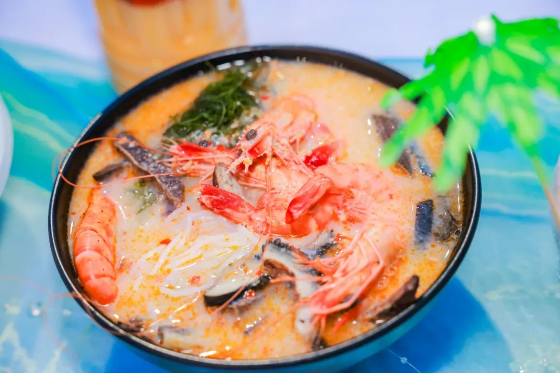
A bowl of zaopocu. (Photo by Hinews)
Today, this flavorful sour broth, which is commonly used as a hotpot soup base, has spread far beyond Wenchang. You can now find it in cities such as Beijing, Shanghai, and Hangzhou, and it has even been exported to the United States, Canada, and Australia. Zaopocu hotpot soup bases are also now widely sold on various e-commerce platforms, making it easier for everyone to enjoy this delicious dish.
Wenchang is now working to bring this traditional flavor to a broader stage by building cultural experience centers and promoting fully fledged industrial development, allowing more people to benefit from the thrift-inspired wisdom of its humble fisherfolk.
Sanya: Tamarind
The tamarind tree is Sanya’s municipal tree, and can be spotted along historic streets like Youyi Road, Jiefang Road, and Hongqi Street. In addition to adding greenery to the city, it has long shaped the culinary memories of the city’s residents.
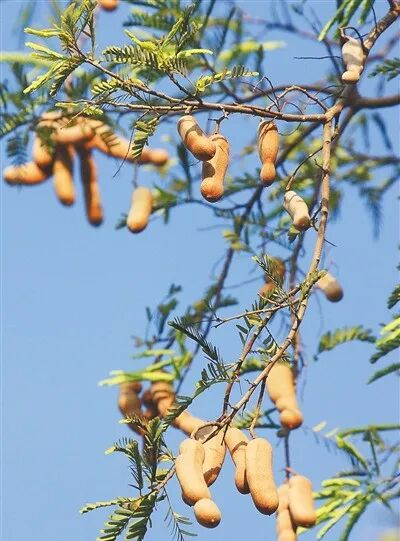
Tamarind trees heavy with fruit.
(Photo by Sun Qing)
Locals use the bean-like tamarind fruit to make sauces for Sanya’s signature dish, sour fish soup. Paired with tangy starfruit and crunchy pickled bamboo shoots, tamarind gently masks the fishy taste while boosting the soup’s natural sweetness, making the dish both refreshing and vibrant.
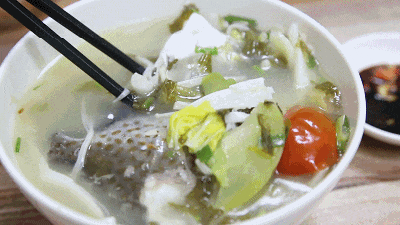
Sour fish soup.
(Photo by Sanya Publish)
Today, tamarind has become a vivid symbol of Sanya’s local palate. Associations and research platforms have been established to facilitate the expansion of this traditional sour flavor into broader markets.
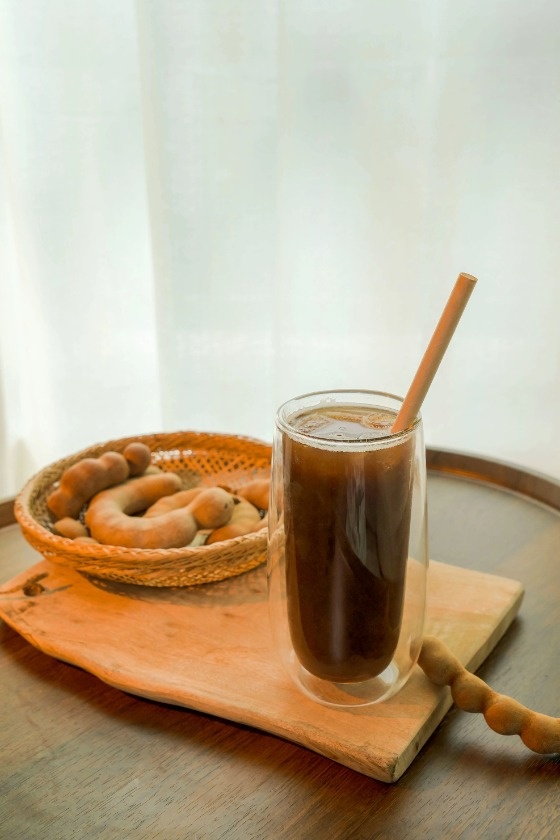
Tamarind juice.
(Photo: Sanya Tourism Promotion Bureau)
Dongfang: Pickled Watermelon Rind
A local saying in Dongfang goes, “With sour melon rind on the table, anything can be done,” reflecting how motivated the local community is by this humble concoction, which is both a condiment and a snack.
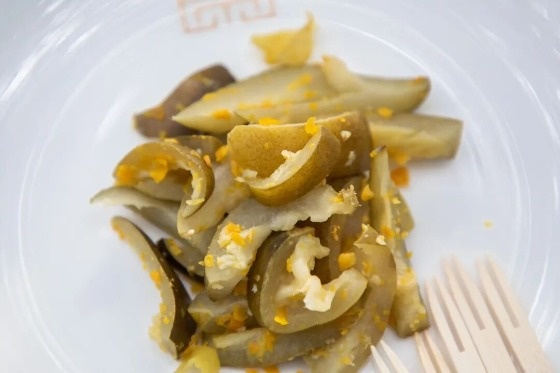
Dongfang pickled baby watermelon.
(Photo by Dongfang Media Center)
Pickled watermelon rind is made from locally grown young watermelons. After removing the flesh, the rind is cut into pieces, salted with sea salt, and naturally fermented to develop its tasty flavor. The result is crisp, slightly sweet, with a clean sour note, perfect with meat, seafood, or a simple bowl of congee. One of the most beloved dishes and a wonderful slice of local fishing tradition is shark braised with pickled watermelon rind.
In recent years, these pickles have shifted from home kitchens to large-scale production. By collaborating with universities, they have gained new flavors, reinvigorating this traditional fare.
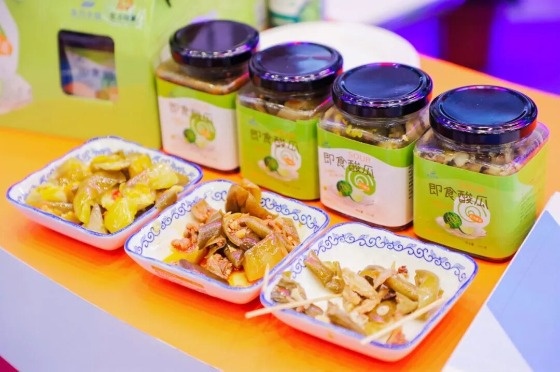
Ready-to-eat Dongfang pickled watermelon rind.
(Photo by Dongfang Media Center)
Baisha: Yucha (Fish Tea)
Despite its name, yucha (literally “fish tea”) is not tea but a traditional dish of the Li ethnic group. It's made by fermenting fresh fish with rice and starter cultures, giving it a distinctive flavor. Recently, its bold and intriguing taste has caught the attention of many adventurous diners eager to experience something different and exciting.
Making yucha can be truly rewarding, but the process requires patience. Fresh fish is first cured, then carefully sealed in jars with cooled rice and fermented grains, allowing time for the rich sour aroma and savory notes to develop. The first bite delivers a bracing fermented tang, which soon gives way to the fish’s hearty flavor and satisfying chewy texture. It’s a delightful, multi-layered experience that’s well worth the wait.
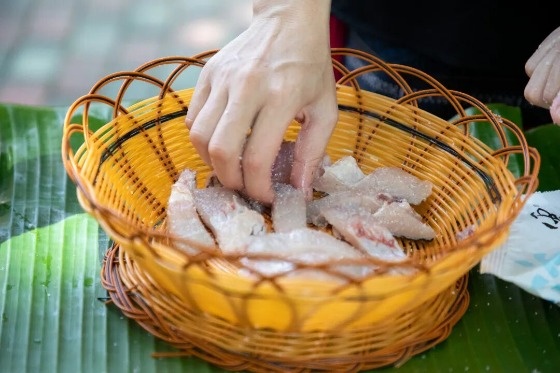
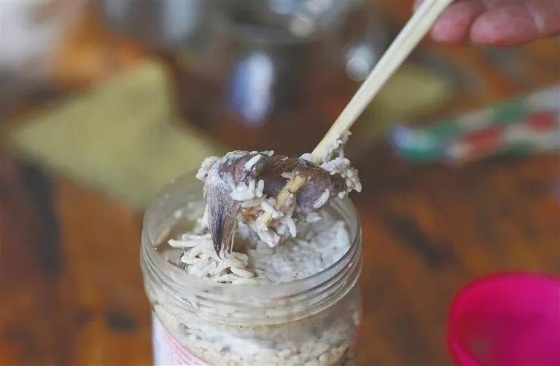
Villagers in Nanya Village, Bangxi Town, Baisha Li Autonomous County, prepare Yucha.
(Photo by Li Tianping, Hainan Daily)
As a flagbearer of Li culinary heritage, yucha is now being preserved through intangible cultural heritage initiatives and promoted via e-commerce platforms, allowing more people to experience this flavor shaped by the mountains and the passage of time.
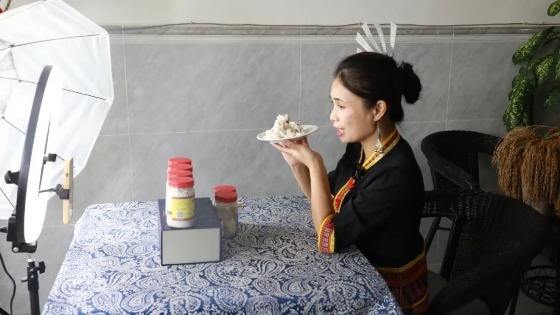
(Photo by Baisha Media Center)
In Hainan, sourness is more than just a flavor; it's a cherished memory and a part of everyday wisdom. Born from the mountains and sea and steeped in local life, it brings warmth and stories to every taste. Which of these dishes has you itching to try?

Why Do Neighbors Gather Under a 200-Year-Old Tree in China?
17:29,23-October-2026
Dual Submarine Cables Cut Hainan-Singapore Latency by 9 Milliseconds
17:29,23-October-2026
Hainan Through Culture: Shuangjiang – The Island’s Late-Autumn Table
17:29,23-October-2026
Nephrospec launch event highlights clinical care and research in chronic kidney disease and hypertension
17:29,23-October-2026
$44.9 Billion Investment in Hainan Island-Wide Power System Testing Grounds
17:29,23-October-2026
Day 2 in Hainan: First International Commercial Tribunalof Hainan Free Trade Port:What Fuels Hainan FTP's Business Confidence?
15:55,22-October-2026

Copyright © 2021 hiHainan.All rights reserved.琼ICP备09005000号-13
 thisishainan@163.com
Partner: Hainan College of Foreign Studies