


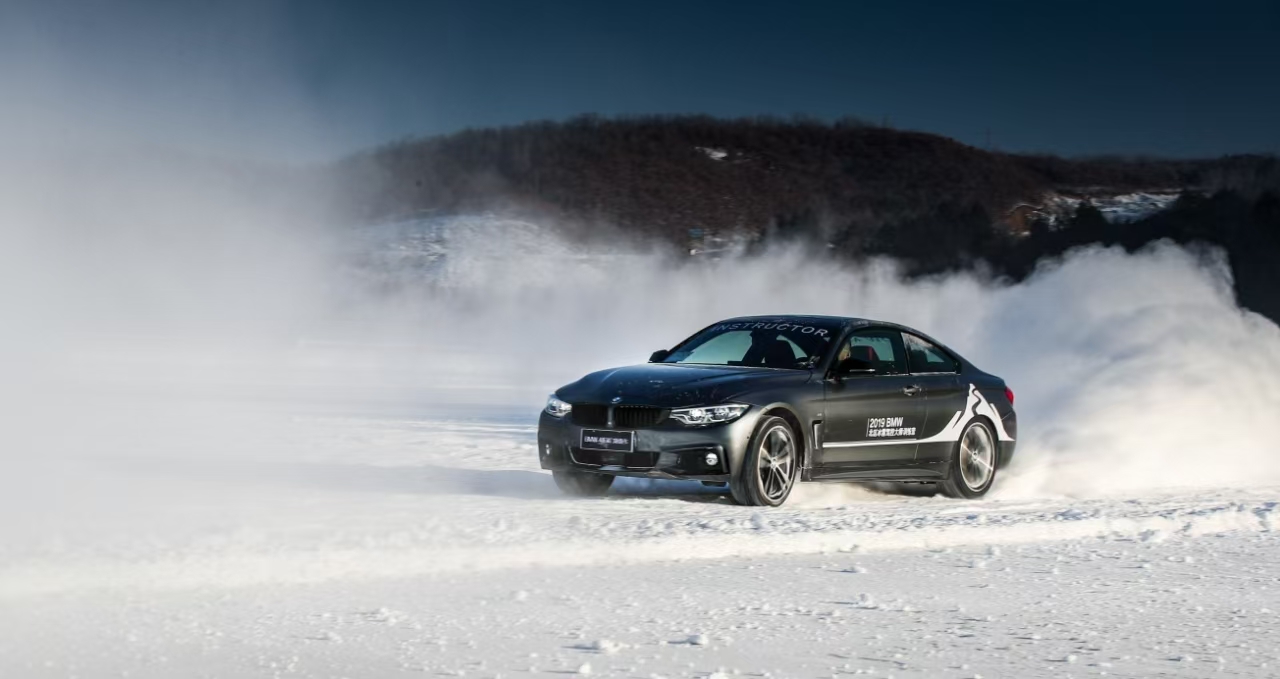
A car being tested on a ice and snow-covered lake. (Source: Wang Sihan, Heihe Daily)
While automotive engineers worldwide draft blueprints in their warm offices, teams of technicians bundled in heavy parkas are pushing new energy vehicles to their limit in temperatures as low as -25°C in Heihe, a Chinese city on the border between China and Russia.
Recognized as one of China's coldest regions, Heihe has also emerged as an ideal global destination for cold-weather automotive testing.
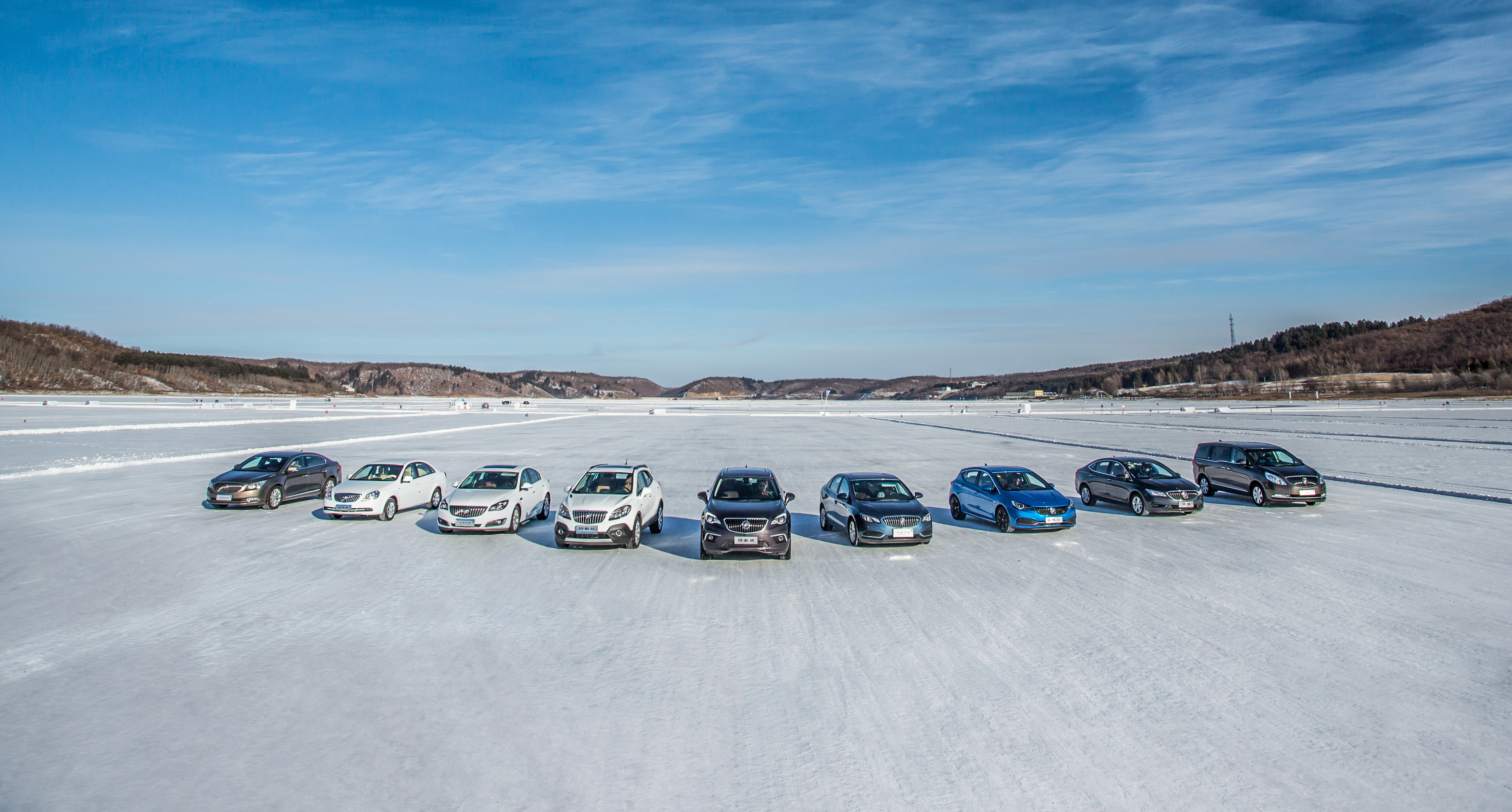
Cars being tested on a ice and snow-covered lake. (Source: Information Office of Heihe Municipal People's Government)
A natural frigid laboratory
Situated between 47º42' and 51º03' north latitude, Heihe shares a similar latitudinal band with renowned international automotive testing hubs, such as Stuttgart in Germany and Detroit in the U.S. Heihe lies blanketed in ice and snow from November through March each year, with temperatures averaging below -20°C and occasionally reaching extremes of -40°C.
These harsh conditions create an ideal environment for automotive validation. At the Heilongjiang Red Valley All-Season Low-Temperature Proving Ground, Asia's first and the world's largest all-season low-temperature proving ground that opened in September 2025, roads are fully covered by ice and accumulated snow, replicating typical winter driving conditions in high-latitude regions.
"The consistent sub-zero temperatures in Heihe's winter season, averagely ranging from -20°C to -30°C, perfectly meet the automotive industry's engine performance, electronic equipment, gas consumption, and overall vehicle performance testing needs in extremely cold weather," remarked Jiang Shijun, assistant general manager of the proving ground.
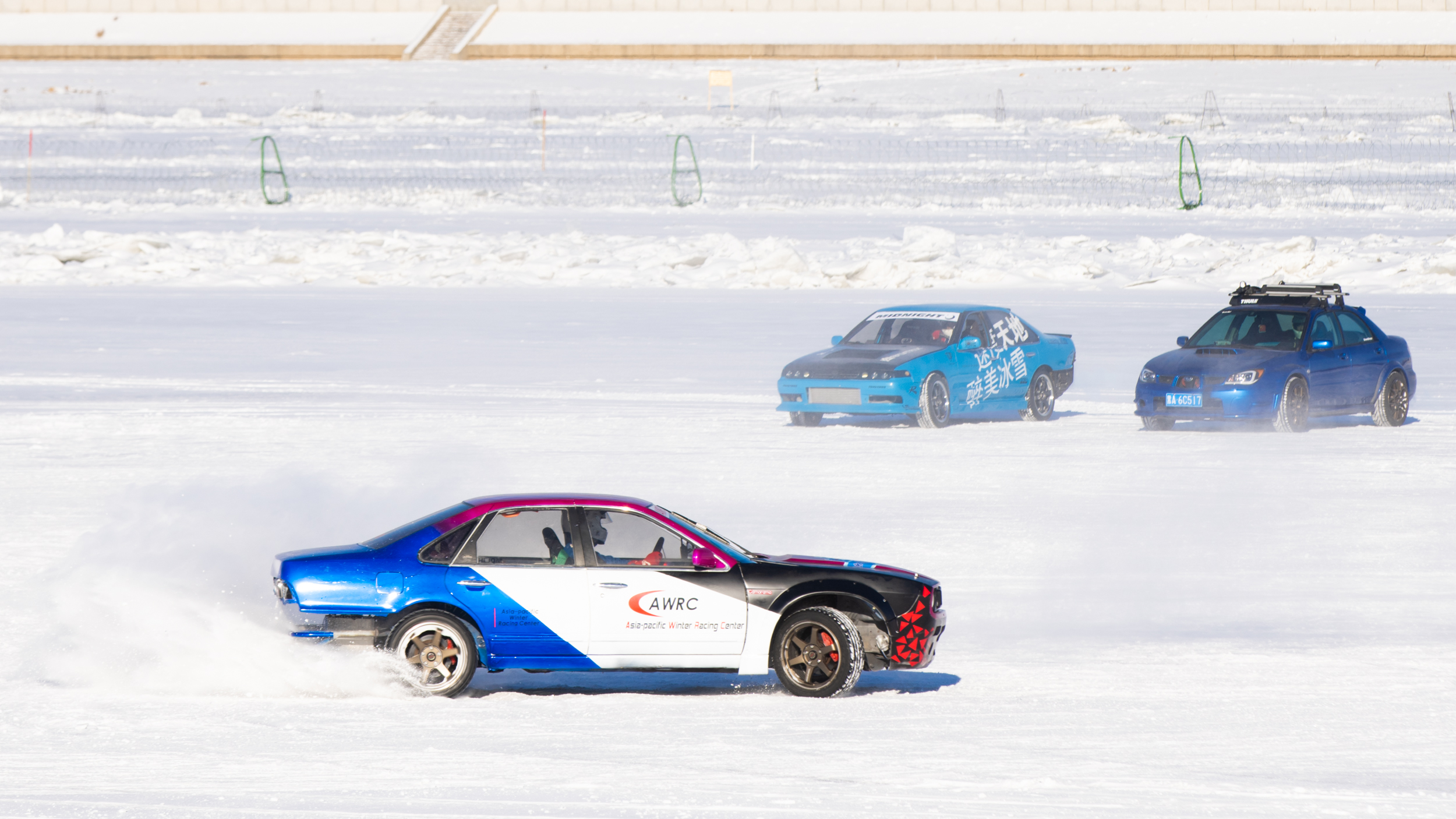
Cars being tested on a ice and snow-covered lake. (Source: Information Office of Heihe Municipal People's Government)
A global winter convergence of automotive brands
Almost every vehicle proving ground at Heihe enters its peak season each winter. The city has established long-term partnerships with over 170 domestic and international enterprises, including suppliers such as Germany's Continental AG and South Korea's Mando, as well as China's automakers such as Xiaomi Automobile, Seres, and Great Wall Motors. According to statistics released by the local government, a total of 147 automakers brought 5,387 personnel and 4,044 vehicles to Heihe for testing last winter.
These companies put their vehicles through a battery of winter testing, covering cold-weather adaptability, powertrain and battery performance, chassis dynamics and handling, electronic system reliability, and exterior material durability. As new energy vehicles gradually enter the mainstream, the data gleaned in Heihe's harsh environment has become increasingly crucial.
"Beyond climatic and infrastructural advantages, conducting automotive testing in Heihe is also more cost-effective than similar operations in New Zealand and Nordic countries such as Norway. Before we had cold-weather and low-temperature vehicle proving grounds in Heihe, automakers had to pay over USD 200,000 per vehicle tested, including international shipping and customs procedures. It's about a third of the cost here," Jiang added.
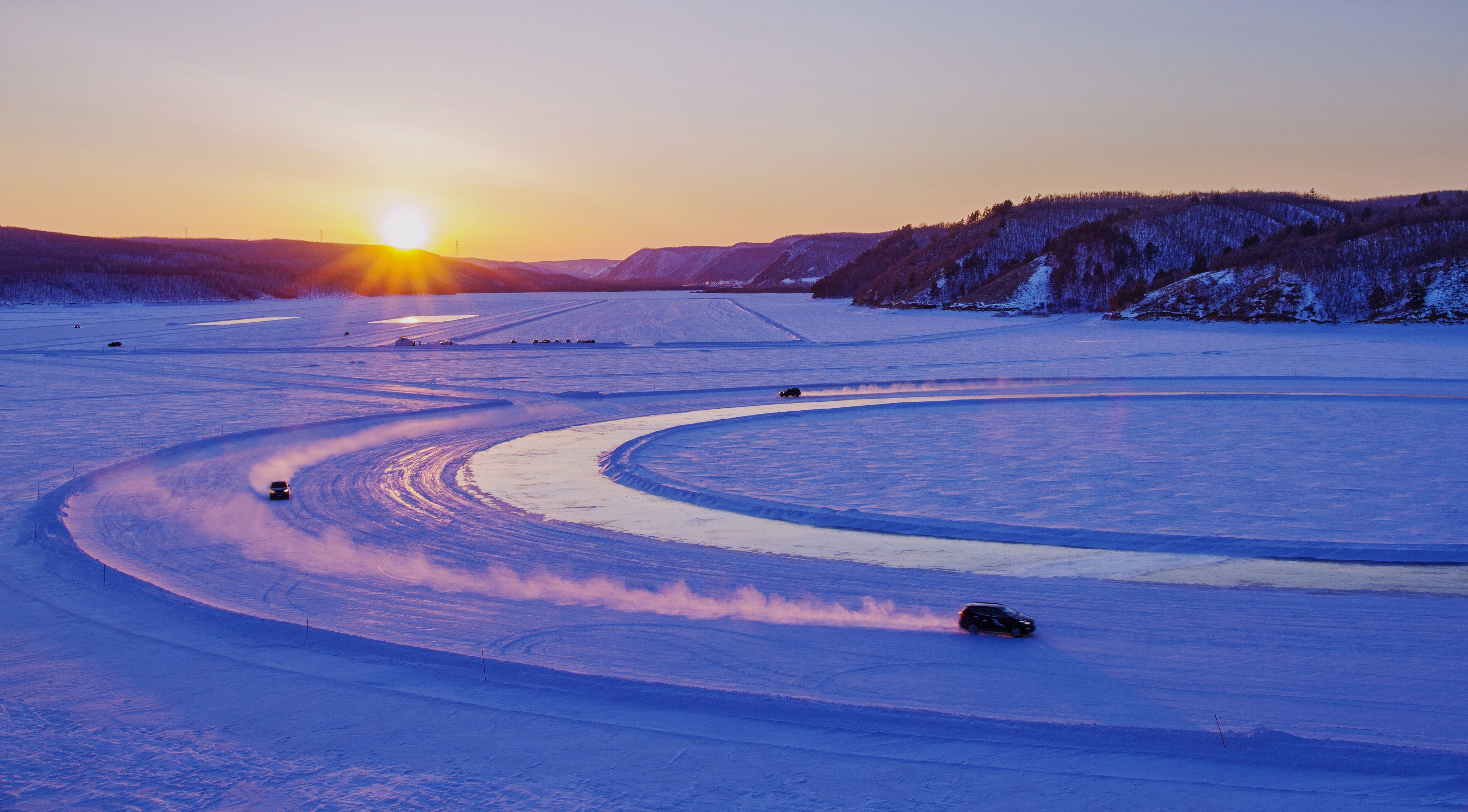
Cars being tested on a ice and snow-covered lake. (Source: Information Office of Heihe Municipal People's Government)
Technological innovation and industrial synergy
Heihe's cold-weather testing industry has evolved from simply leveraging natural conditions into a sophisticated, systematic technical service platform. The region now hosts multiple standardized proving grounds equipped with advanced data acquisition systems and staffed by specialized engineering teams.
Zhao Xinhong, a 53-year-old general manager of Heilongjiang Red Valley Automotive Test Co., Ltd, noted, "Major automakers message us with diverse technical requests every summer. While we initially provided venues only, we now offer a range of services, including technical support and other standardization services."
Such specialization has seen automakers from Germany, South Korea, and other countries gradually transfer part of their cold-weather testing projects from Europe to Heihe, continuously expanding the city's global influence within the automotive industry.
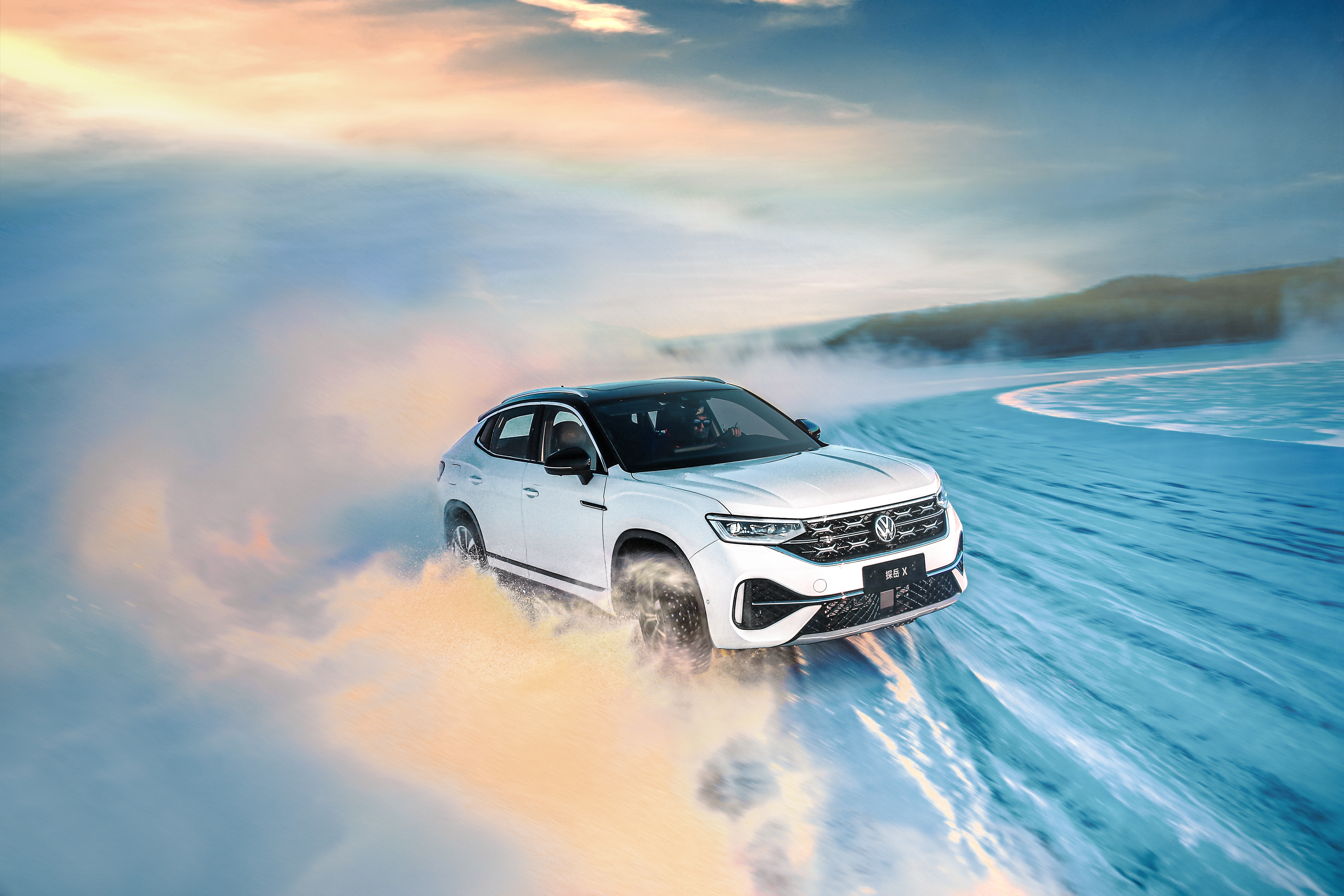
A car being tested on a ice and snow-covered lake. (Source: Wang Sihan, Heihe Daily)
A red-hot economy in an ice-cold landscape
The testing industry has generated substantial economic benefits in Heihe and raised the city's global influence. The influx of thousands of testing personnel promotes the development of local hospitality, dining, transportation, and related service industries. More significantly, the city has created an international technological exchange network through interaction with global automotive engineers.
Local government sectors are also actively in integrating the testing industry with winter tourism, developing unique "testing + tourism" projects that encourage visitors to witness and experience vehicle validation processes.
As the world deliberates the future of sustainable mobility, Heihe's winter proving grounds are quietly contributing a crucial layer of reliability to vehicle manufacturing. Ice and snow are no longer barriers, but a distinctive catalyst for innovation, serving as an essential proving ground for "cold-hard truths" in the global automotive industry.
New Hainan FTP Special Customs Operations Q&A Book Published
17:26,16-December-2025
Decoding the Hainan FTP: Chasing Dreams E2 | The Dual Life of an American Youth in Chengmai
22:31,15-December-2025
Cold-Weather Vehicle Testing Launches Heihe onto Global Stage
10:13,15-December-2025
Decoding the Hainan FTP: How do international goods get through customs efficiently?
18:08,12-December-2025
Decoding the Hainan FTP: Chasing Dreams E1 | The Melodies of a Cuban Singer Blossom Across the Ocean
17:19,12-December-2025
From Ice to Innovation: Engineering a Snow Economy
22:47,04-December-2025

Copyright © 2021 hiHainan.All rights reserved.琼ICP备09005000号-13
 thisishainan@163.com
Partner: Hainan College of Foreign Studies