


In central Hainan’s Baisha County, the local Li people, who have generations of experience with the area’s mountain forest resources, have developed a unique folk medicine system. Early in the misty mornings, 65 year old Fu Jinma carries a basket up into the mountains. Chinese Tinospora, Herb-Paris, and the Matchbox Bean vine might look like ordinary plants to others, but to Fu, these are precious treasures that he has cherished for nearly 40 years of medical practice. As a traditional Li intangible cultural heritage representative, he is a repository of knowledge, including a snakebite remedy that’s been passed down through five generations of his family, and has seen this ancient art gradually shift from an oral tradition in remote villages into the clinics of public hospitals.
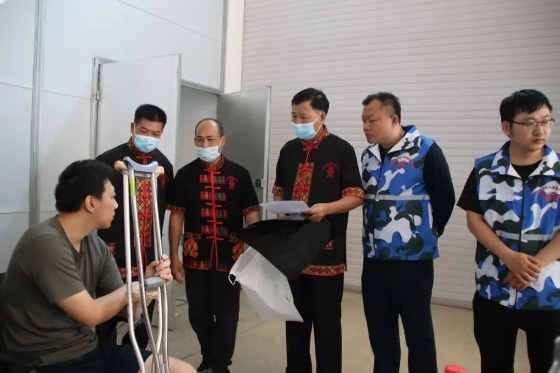
Fu Jinma, third from right, leads a team of Li physicians as they examine patients. Photo courtesy of Baisha Tea City Hospital
Fu’s motivation to study medicine stems from a childhood trauma. In 1970, when he was nine years old, he saw his father’s body swell up after a snake bite. Fortunately, the older generation of his family knew just what to do. They treated his father with Herb-Paris, and after a few days, he began to stabilize. “At the time, I decided I had to master this skill so that others wouldn’t suffer.” In 1986, Fu began to formally treat his neighbors. The mountainous region is damp and rainy, making conditions such as rheumatism, bone pain, and snake and insect bites common. Almost all the herbs that Fu uses are collected from nearby forests. Herb-Paris and Blushred Rabdosia are used to treat snake bites, while the Matchbox Bean vine, wild coffee, and Wuzhishan hairy fig are used for rheumatism, with specific combinations varying according to the patient and the exact nature of the ailment. Fu employs external treatment methods such as traditional Li herbal fume therapy, medicinal baths, and ox horn cupping & scraping. He explains that “The medicine enters the body and regulates the meridians. Treating both internally and externally is the only way to stabilize the condition."
Folk medicine practitioners like Fu, though, have long been dismissed as ‘folk healers’, and have lacked formal medical recognition. Meanwhile, wild populations of medicinal herbs are growing scarcer by the year, and young people find the work too difficult, choosing other professions. Fu worried that this ancient art would disappear within his lifetime.
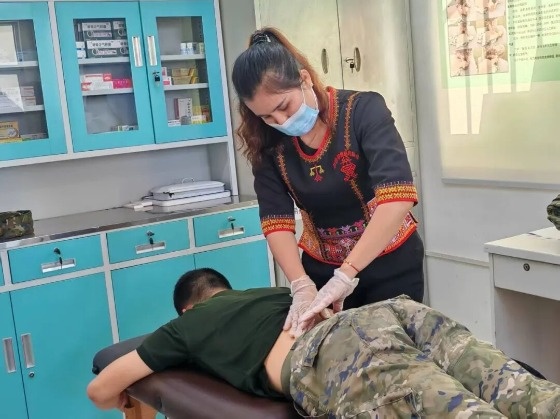
A Li doctor performs massage therapy for a patient. Photo courtesy of Baisha Tea City Hospital
In recent years though, a turning point was reached. Baisha County boasts a forest coverage rate of 80% and is home to over 800 species of medicinal herbs. Local health authorities realized that without systematic protection, the area’s living medical knowledge might disappear completely. In 2022, the Baisha County Health and Wellness Commission promoted the establishment of the Li Ethnic Medicine Association, with Fu Jinma elected as president. This provided a platform for 155 Li folk doctors and enthusiasts to exchange best practices and train together. The association organizes free clinics in rural areas, and has served more than 4,100 patients to date. At the same time, the county government has invested approximately 5 million yuan to set up a Li medicine experience area at the Tea City Hospital. This 200+ square meter space includes consultation, herb fume therapy, foot baths, massages, medicinal herb displays, and a cultural corridor, with TCM doctors, nurses, and Li doctors providing consultations daily. Nearby residents can receive Li herbal fume therapy, medicinal wine massage, and ox horn cupping therapy at a low cost. Since 2025, the experience zone has welcomed over 1,300 outpatient visits, with 1,200 patients receiving specialized physiotherapy and over 400 patients receiving the facility’s unique medicinal leech therapy. “Li medicine is simple, effective, and inexpensive. Good doctors can be found right on the doorstep of our mountain homes,” said Zhang Yu, deputy director of the county's Health Commission.
In modern clinical practice, Li medicine provides an effective complement to conventional treatments. For example, in the acute phase of a snake bite, patients first receive Western emergency treatment such as antivenom and anti-infection medication. Then during the recovery phase, Li medicine ointments are used to promote blood circulation, remove pus, and promote tissue regeneration, accelerating wound healing. Fu Jinma explained, "Western medicine provides emergency care, while Li medicine addresses the root causes. Together, they form a complete system." Many patients suffering from chronic wounds have finally recovered thanks to Li medicine treatment.
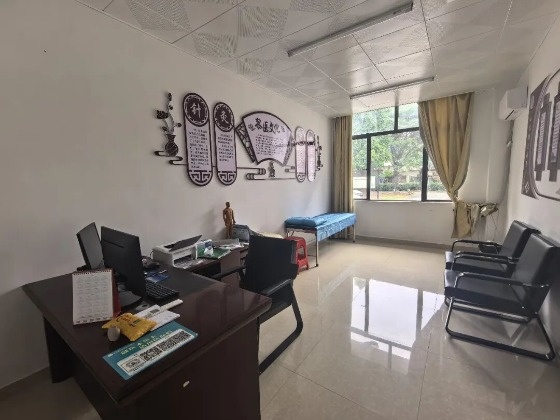
A doctor’s office in the Baisha Tea City Hospital. Photo: Liang Zhenwen
In April 2025, the ‘Regulations on the Protection and Development of Li Medicine in Baisha Li Autonomous County’ officially came into effect, providing legal protection for the development of Li medicine. The regulations explicitly support public hospitals in employing Li doctors with specialized skills, and set up provincial-level assessments of TCM medical expertise. Passing these assessments allows these folk medicine doctors to practice legally. "The doctor’s credentials are confirmed, setting patients at ease," said Zhang Yu. Standardization has also led to breakthroughs. Four national group standards for the Hainan medicinal leech" industry, drafted by the Hainan Medical University along with the Baisha County People's Hospital, have been released, covering the entire industry chain from live breeding and medicinal material standards to external application therapies. Baisha has established the province's first standardized live medicinal leech external application clinic. This leech, once commonly found in rice paddies, is now being used in a standardized manner to improve blood circulation and heal chronic wounds. New practitioners are also starting to come up in the ranks. Three training courses for key Li medicine providers have provided training for nearly 300 county, village, and township medical personnel and folk Li doctors. Courses include medicinal leech therapy, snakebite treatment, Li medicine herbal fume therapy, and agarwood moxibustion, extending Li medicine services to the grassroots level.
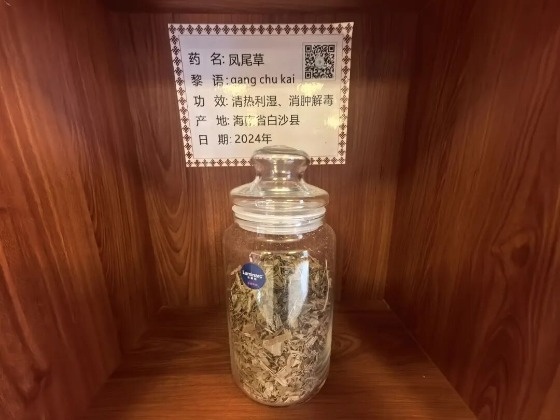
Medicine display. Photo: Liang Zhenwen
Herbal medicine has also brought new sources of income to the local area. Baisha promotes a model pairing companies with area farmers, who then cultivate Southern TCM herbal medicines such as Sharp-Leaf Galangal, Beautyberry, and Tiger Milk Mushroom in different parts of the county. Companies guarantee purchases, offering farmers stable incomes and securing a more sustainable supply of needed medicinal materials. Building on this foundation, Li medicine has also been integrated with the health tourism industry. Special experience areas offer visitors spaces for herb appreciation, therapy, and pop science, telling the story of Li medicine to the outside world through short videos and the "Baisha Commonly Used Li Herb List".
Fu Jinma continues his work in the field, mentoring apprentices, passing on traditional methods of mountain herb identification, and conducting on-site consultations. He’s also busy organizing prescriptions, films, and teaching materials as well as turning traditional Li medicine treatments into easy-to-use medicinal packets, making them more relevant to modern life. “I’m not afraid of Li medicine not being scientifically tested. I’m afraid of no one testing it,” he explains. In his view, for Li medicine to reach a wider audience, standards must be established, research conducted, and efficacy verified before industrialization can be discussed. “Even if it takes the rest of my life, I want to preserve the traditional prescriptions, teach people how to use them, and prevent them from becoming a thing of the past.”
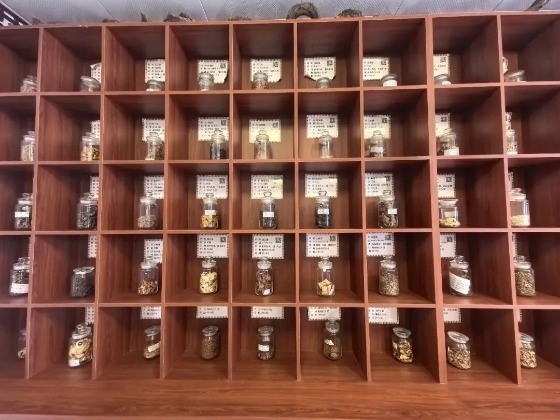
A display case containing Li medicine at the Baisha Tea City Hospital. Photo: Liang Zhenwen
Zhang Yu summarizes their work in this way: “We are continuing in the wise traditions of our ancestors and taking them a step further.” Li medicine is undergoing a crucial transformation, changing from a tradition passed down orally in remote villages to a practice with established rules and standards, and entering formal clinics. The road ahead is still long, and the continued existence of the art depends on how many young people are willing to take up the mantle. But for the Li doctors of Baisha, the roots of medicine lie in the hearts of the people and in the plants and trees of the mountains - as long as there are those who continue to uphold the tradition, there will always be a way forward.

Hainan Film Festival Opens Global Call for AI Films, with Features in Focus
10:19,26-October-2026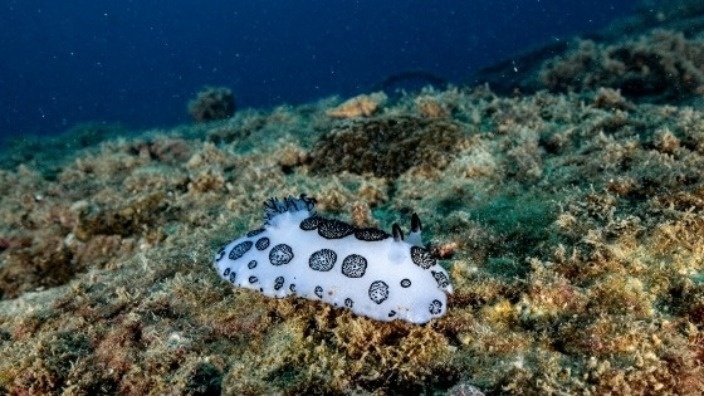
Restoration Success Story - ‘Panda Sea Slug’ Sighted in Sanya!
10:19,26-October-2026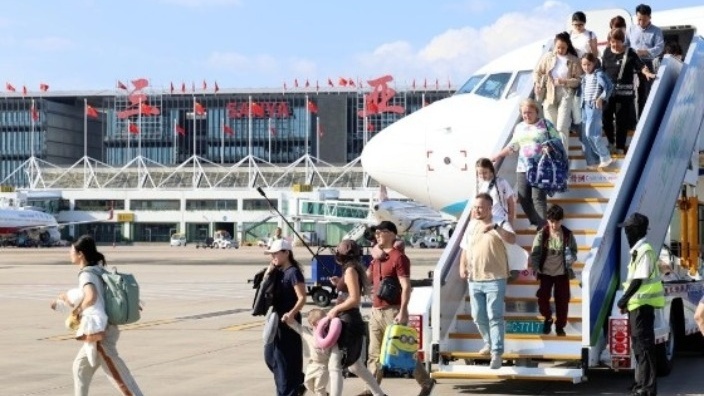
Shymkent - Sanya - Singapore Route Links Central & SE Asia!
10:19,26-October-2026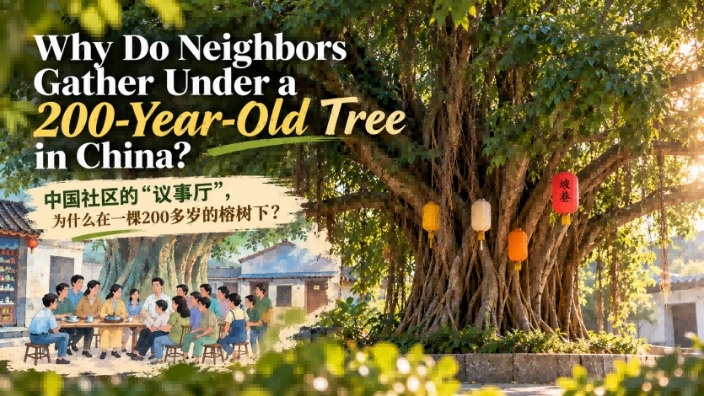
Why Do Neighbors Gather Under a 200-Year-Old Tree in China?
17:29,23-October-2026
Dual Submarine Cables Cut Hainan-Singapore Latency by 9 Milliseconds
17:29,23-October-2026
Hainan Through Culture: Shuangjiang – The Island’s Late-Autumn Table
17:29,23-October-2026

Copyright © 2021 hiHainan.All rights reserved.琼ICP备09005000号-13
 thisishainan@163.com
Partner: Hainan College of Foreign Studies