


At 08:00 on June 30th, Hainan Province upgraded the emergency response to the current red tide from Level III to Level II.
According to Xu Xiaobei, Deputy Director of the Hainan Marine Monitoring and Forecasting Center, in addition to the western sea areas confirmed to be affected by the red tide, high chlorophyll and dissolved oxygen concentrations have been detected in other nearshore areas, raising the possibility of localized red tides.
Currently, the center is strengthening monitoring work and collaborating with multiple departments to conduct on-site emergency monitoring in the nearshore waters of twelve cities and counties on Hainan Island.
Red tides are usually influenced by ocean currents, water temperature, and nutrient changes, exhibiting a zonal distribution. They generally do not persist synchronously or for long periods of time across the entire nearshore area of the island. In open waters, red tides drift with ocean currents until they naturally dissipate. Large-scale heavy rainfall or typhoons can disperse and dilute the concentration of red tide causing organisms, accelerating their natural decay.
In regards to the causes of this red tide, Xu stated that the water quality around Hainan Island is generally good, and this is the largest red tide event that has ever occurred here. Preliminary analysis suggests that the recent sustained high temperatures, higher-than-average ocean temperatures, reduced plankton biodiversity, and the dominance of a small number of significant species in certain ecological niches are contributing factors.
Xu also cautioned that a detailed causal analysis requires further data collection and research. Red tides in the waters of South China are typically small in scale and short in duration, and large-scale red tide outbreaks in Hainan are rare, meaning that the causes of this event require in-depth investigation.
As marine ecological changes are influenced by multiple factors, including the environment, marine organisms, the climate, and ocean currents, the hydrodynamics, climatic conditions, ecological environment, and red tide causing species vary from one red tide to another. Internationally, there are no relatively mature and accurate unified early warning models, and so early warning and response must be tailored to local conditions.
In regards to the dissipation of red tides, Xu explained that in open sea areas, due to hydrodynamics and wind tides, red tides tend to be shorter in duration, while in enclosed and semi-enclosed bays, where water exchange is poor, the duration may be longer. This is mainly due to the combined effects of the type of red tide, the marine environment, and ocean current changes.
As far as concerns about beach activities and seafood consumption, Xu stated clearly: This type of red tide is extremely dangerous for fish. While data shows that this type of red tide has no significant impact on humans, the high density of marine organisms in red tide areas results in a poor sensory experience in the water. Therefore, it is advised not to swim in red tide affected areas.
In addition, the public is reminded to not collect or consume dead fish or other marine creatures found on the beach.
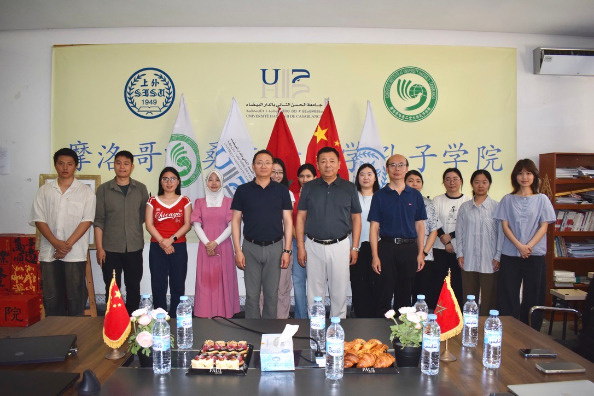
Chinese Film My Ma'an Ling Screens in Africa, with Morocco as First Stop
10:30,01-July-2026
Four Hainan Athletes Named to China's Roster for 2026 Asian Games
22:33,30-June-2026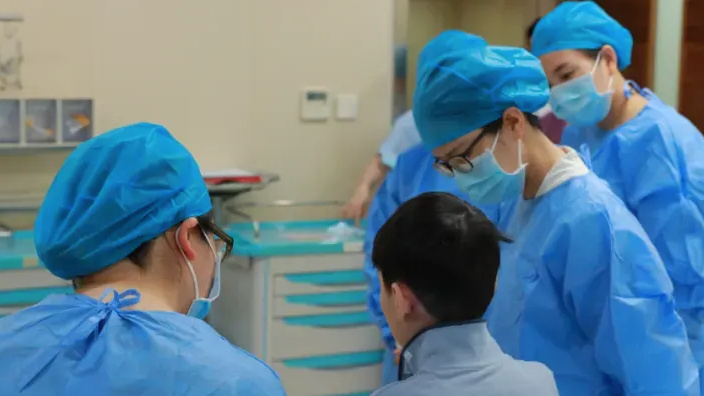
World's 1st Epidermolysis Bullosa Therapy Administered in China
22:33,30-June-2026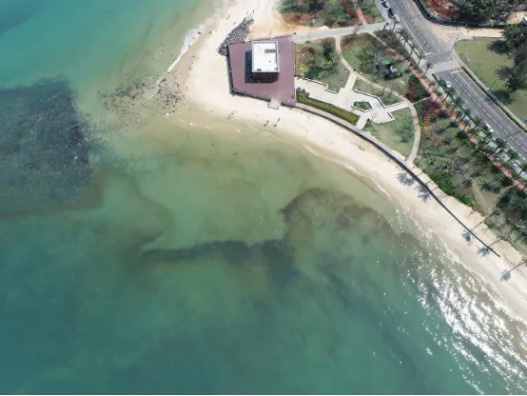
Red Tides: Understanding the Recent Marine Phenomenon in Hainan
22:36,30-June-2026
A Loyal Heart Across the Blue Sea - the Tale of Lady Xian
08:53,29-June-2026
Huang Daopo: A Thread Through Time
08:53,29-June-2026

Copyright © 2021 hiHainan.All rights reserved.琼ICP备09005000号-13
 thisishainan@163.com
Partner: Hainan College of Foreign Studies