


Recently, Genong, Hainan’s first album of Li songs in the Run dialect, was officially released. Featuring authentic folk songs, the album presents the historic memories, daily life, and the emotional world of Li Run-dialect-speaking communities.
“Genong” carries countless meanings in a single word. It is the language through which the Run-dialect-speaking Li people of Hainan communicate with nature, as well as a cultural imprint deeply rooted in their heritage.
From field visits to villages to collect traditional folk music to professional studio recordings, the creation of Genong reflects the hard work and dedication of many Li cultural heritage representatives.
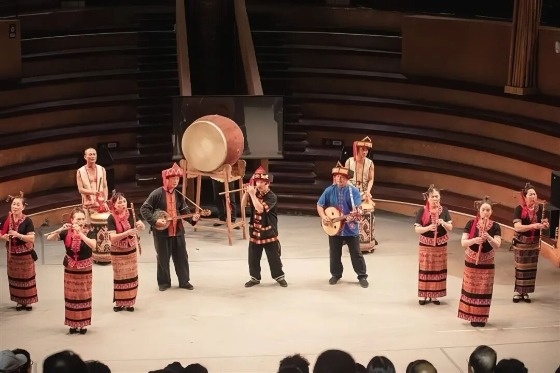
Members of the Baisha Folk Song and Dance Heritage Association perform Li folk songs in the Run dialect. Photo provided by the interviewee.
Tracing the Roots of “Genong”
The album takes its name from the title track Genong, which means “relatives and friends” in the Run dialect.
According to Fu Shaoling, director of the Baisha Cultural Center, the Li people of Hainan speak five major dialects: Ha, Qi, Run, Meifu and Sai. In 2017, Li Run-dialect folk songs were included in the fifth batch of provincial-level intangible cultural heritage representative items, becoming an important symbol of Hainan’s traditional culture.
“More than 20 years ago, I had hoped that these historic, culturally distinctive folk songs could be recorded and released as an album,” recalled Gao Zeqiang, president of the Hainan Paolongkou Research Association. He said that during field research in Baisha, he heard local elders singing Run-dialect folk songs, and the simple, timeless melodies left a lasting impression.
As a native speaker of the Run dialect in Baisha, Fu Yuzhen has long been engaged in literary creation and the preservation of Li cultural heritage. Since 2020, she has served as secretary-general of the Baisha Folk Song and Dance Heritage Association. She noted that members of the association have repeatedly conducted fieldwork in rural areas and found that many original folk songs still survive in local communities. However, due to a lack of standardized written records and audio documentation, many are at risk of being lost.
“Through professional recordings, we hope to preserve these precious folk songs,” she said. With the support of the Baisha Cultural Center, Fu and her colleagues began systematically collecting, organizing, and documenting Run-dialect folk songs, which ultimately led to the production of the Genong album.
Years of Collecting Music With Friends and Relatives
Turning orally transmitted songs into a professional album proved to be a complex process.
During fieldwork, the team discovered that many old songs exist only in the memories of a small number of elderly villagers, and singing styles vary across regions. To preserve their authenticity, the association continued collecting lyrics, melodies, and the cultural stories behind the songs.
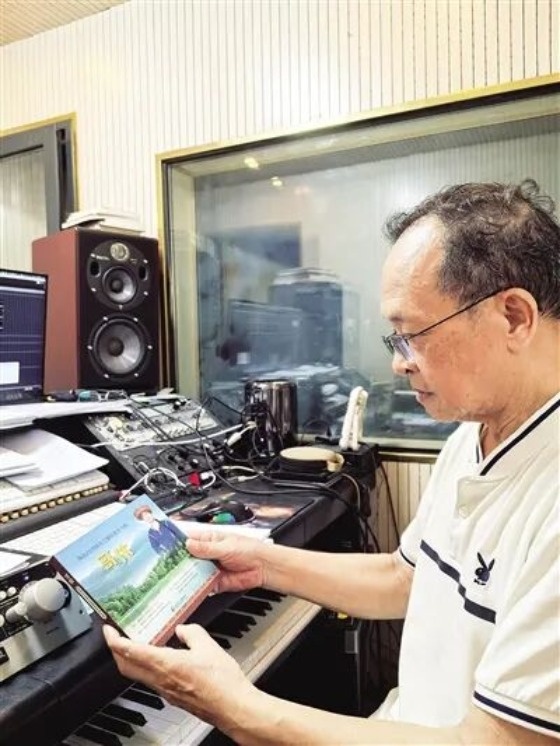
Composer Mo Ke receives the completed Genong album. Photo: Hainan Daily
Composer Mo Ke, a national first-class composer, was responsible for arranging all 13 tracks on the album. He also participated in field research and material selection, systematically arranging the collected folk melodies into musical compositions.
“Many performers could not read musical notation or speak Mandarin, but they sang Run-dialect folk songs with great devotion,” Mo said. “Their commitment to tradition preserves the authentic character of these songs.”
In the end, the album included 12 Run-dialect Li folk songs and one Mandarin song, Another Harvest Year of the Li People.
Collective Voices Carry Music Beyond the Mountains
In January 2025, the recording process officially began.
Most participants were cultural heritage representatives actively engaged in Baisha’s local communities. They completed the recordings in a systematic format while also preserving traditional vocal styles.
In March, Genong was completed and officially released.
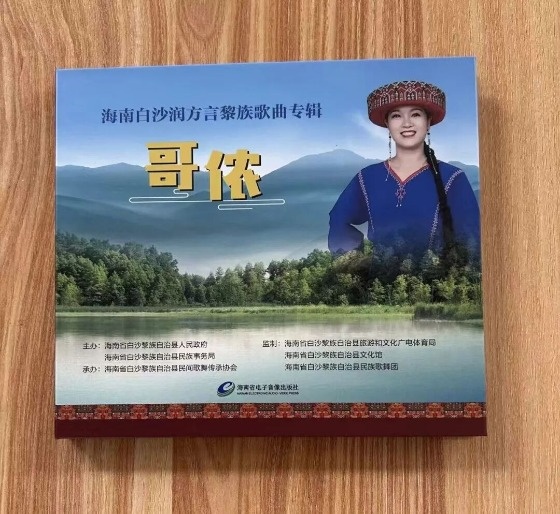
Album cover of Genong. Photo provided by the Official WeChat Account of the Baisha Li Autonomous County Cultural Center.
Previously, albums of Li folk songs in the Ha and Qi dialects had already been published, while audio records of Run-dialect songs remained relatively limited. The release of Genong fills this gap. Experts note that Li Run-dialect folk songs are a province-level intangible cultural heritage item. This album represents one of the most systematic and comprehensive collections of recorded Run-dialect folk songs to date, not only providing valuable material for research on Li Run-dialect culture, but also bringing these traditional songs to a wider audience and promoting greater public understanding of Li culture.

China's Cross-Region Tax Refund Recognition Expanded
18:13,16-June-2026
Hainan Sees First Import of Non-Medicinal Functional Foodstuff
21:33,15-June-2026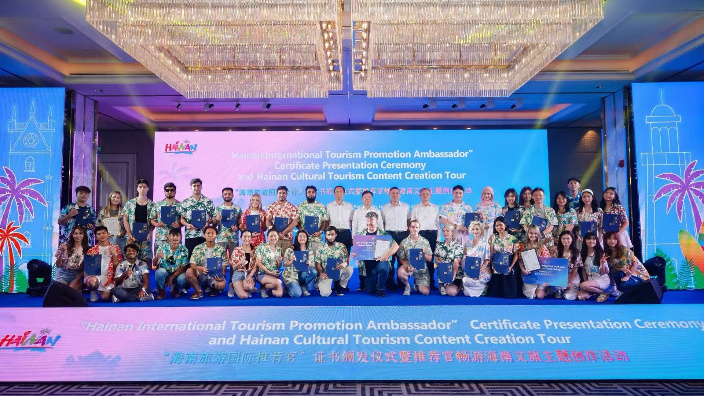
Hainan Launches 2026 International Tourism Promotion Ambassador Recruitment Drive – Join Us to Discover New Island Adventures
21:33,15-June-2026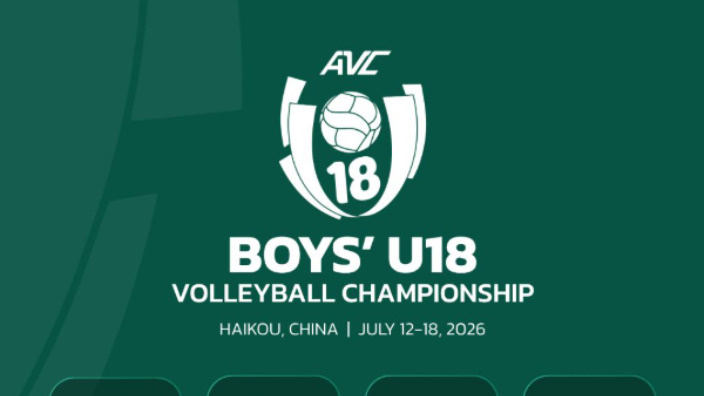
Asian U18 Men's Volleyball Championship to Be Held in Haikou in July
21:33,15-June-2026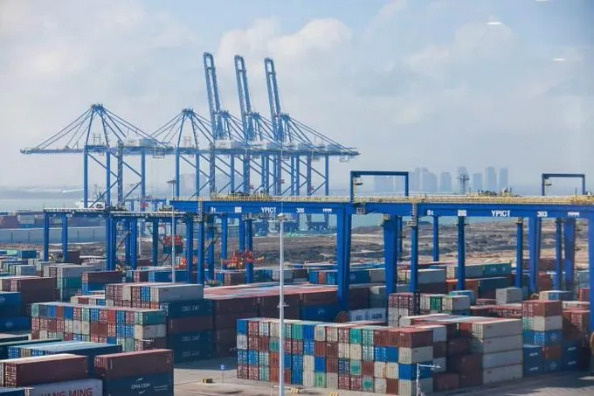
Hainan FTP Doubles Zero-Tariff Imports in Past 6 Months
18:24,12-June-2026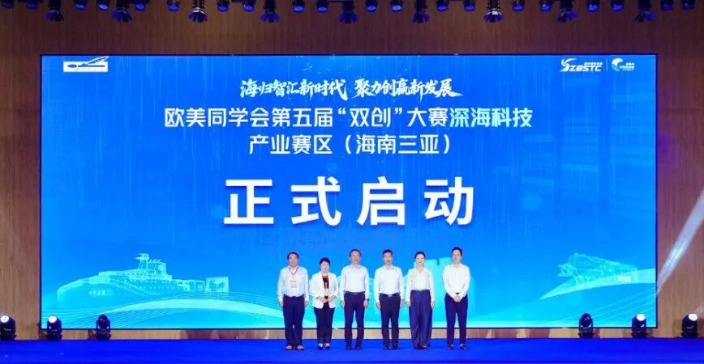
Two Major International Maritime Events Kick Off in Sanya, Hainan
16:37,09-June-2026

Copyright © 2021 hiHainan.All rights reserved.琼ICP备09005000号-13
 thisishainan@163.com
Partner: Hainan College of Foreign Studies