


On August 28, a patient from Anhui province suffering from Leber Hereditary Optic Neuropathy (LHON) wrapped up treatment with the specially approved drug Raxone (idebenone 150mg). The treatment took place at Ruijin Hainan Hospital, located within the Hainan Boao Lecheng International Medical Tourism Pilot Zone. With this latest case, the groundbreaking medication has now benefited 100 LHON patients just seven months after its regional debut.
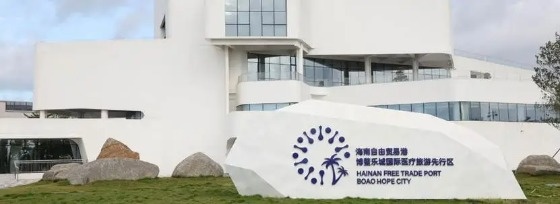
Boao Lecheng International Medical Tourism Pilot Zone, one of the key industrial parks within the Hainan Free Trade Port.
LHON is an optic nerve disorder inherited maternally and triggered by mitochondrial DNA mutations. Listed in China’s first national catalog of rare diseases, LHON can cause severe vision loss in both teens and adults. Developed by Italy's Chiesi Group, Raxone stands as the world's first and only approved therapy for LHON-related visual impairment. Before its arrival, Chinese patients spent years grappling with a complete lack of targeted treatments.
Fast-tracked by multiple local authorities, Raxone was officially approved for use at Ruijin Hainan Hospital as a specially licensed medication in December 2025. The hospital's expert medical team quickly mapped out standardized clinical protocols. The first group of six patients began therapy on January 17, 2026, paving the way for the 100th patient to complete their treatment regimen by late August—a rapid seven-month rollout.
The 100 patients range in age from teenagers to middle-aged adults. 98 of them traveled from across 26 Chinese provinces, autonomous regions, and municipalities. The remaining two flew in from Japan and Myanmar. The arrival of these international patients underscores the growing regional appeal of Boao Lecheng’s special licensing policies for those battling rare diseases.
Officials from the Boao Lecheng Pilot Zone state that Lecheng will keep bringing in more cutting-edge global drugs and medical devices. By doing so, they aim to broaden access to treatment for patients while gathering valuable clinical data to elevate the standard of rare disease care around the world.

Hainanese Poet Jiang Fei Takes Home Prestigious Lu Xun Literary Prize
18:41,01-September-2026
Milestone in Hainan: Specially Approved Rare Disease Drug Raxone Reaches 100 Patients
14:59,01-September-2026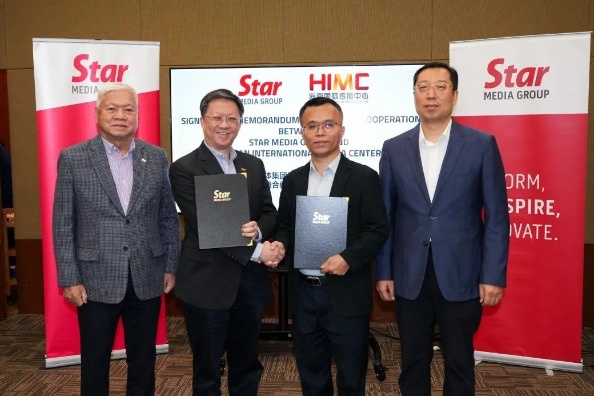
Hainan Daily Press Group, Star Media Group expand FTP cooperation
15:00,01-September-2026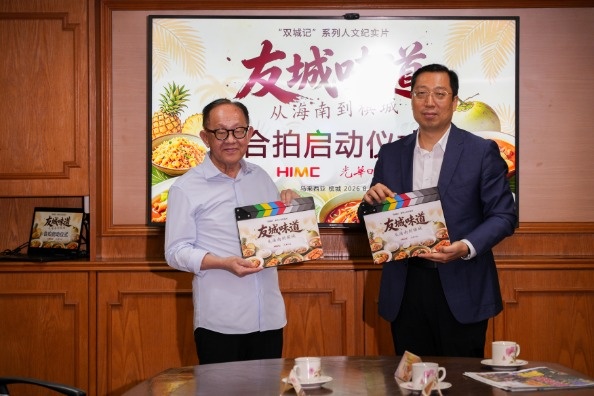
Hainan Daily Press Group and Kwong Wah Yit Poh Launch Documentary on Shared Food Culture
14:59,01-September-2026
Hainan Free Trade Port Promotes Investment Opportunities in Changchun
14:59,01-September-2026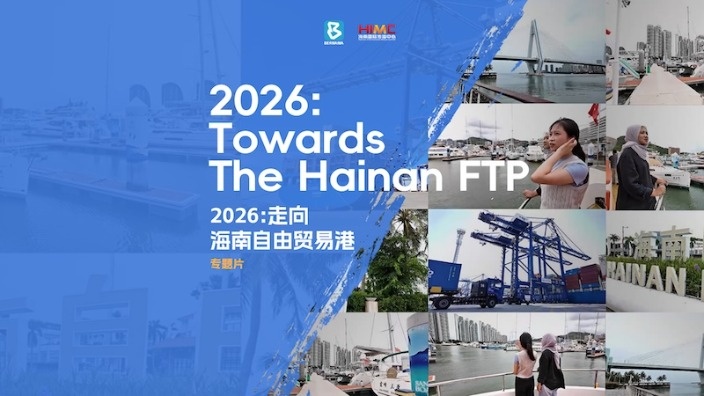
2026: Towards the Hainan Free Trade Port
10:30,28-August-2026

Copyright © 2021 hiHainan.All rights reserved.琼ICP备09005000号-13
 thisishainan@163.com
Partner: Hainan College of Foreign Studies