


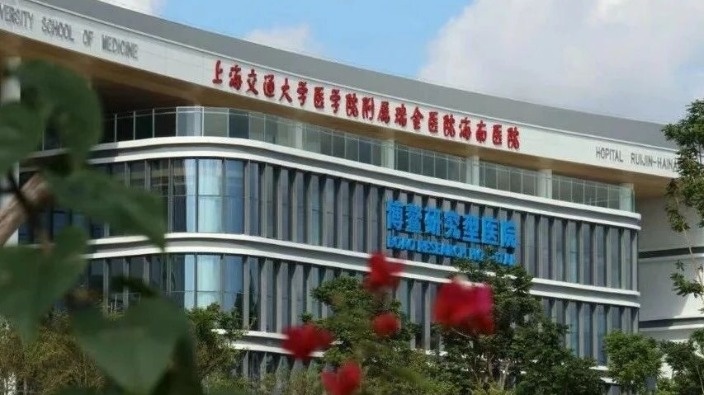
A novel cell therapy for treating critical limb ischemia (CLI), described as the world's first intravenous allogeneic endothelial progenitor cell (EPC) therapy, has been successfully applied at the Boao Lecheng International Medical Tourism Pilot Zone located on the east coast of south China’s Hainan Province, providing a promising new treatment option for patients at risk of lower-limb amputation.
On July 30, West China Lecheng Hospital Sichuan University completed the first clinical application of intravenous infusion of allogeneic endothelial progenitor cells (EPCs) in a patient with severe lower-limb ischemia.
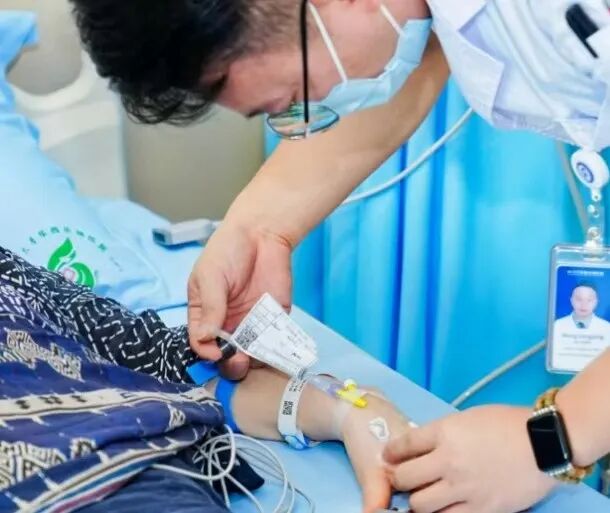
Following continuous monitoring and evaluation by the hospital's multidisciplinary medical team, the patient made a smooth recovery and was discharged on July 31.
The successful case highlights the hospital's expertise in the treatment of diabetic foot disease and peripheral vascular disorders while offering new hope for patients with critical limb ischemia (CLI) facing the risk of amputation.
CLI represents the most advanced stage of lower-extremity arterial occlusive disease caused primarily by atherosclerosis. Major risk factors include smoking, diabetes, hypertension, and hyperlipidemia, which can double or even quadruple the likelihood of developing the disease.
As CLI often progresses without obvious symptoms in its early stages, many patients do not seek medical attention until they develop persistent pain or foot ulcers, by which time the optimal treatment window may have passed. As a result, the condition is often regarded as a "silent threat" that can ultimately lead to amputation.
Current treatment options for CLI mainly include open surgery, endovascular intervention, and drug therapy, each with its own limitations. The introduction of the new cell therapy provides a potential limb-salvage option for patients who have exhausted conventional treatment approaches.
The allogeneic endothelial progenitor cell (EPC) injection is an innovative cell therapy independently developed in China for the treatment of critical limb ischemia. In November 2023, it received authorization from the Center for Drug Evaluation to begin clinical trials (Approval No. CXSL2300561) and has since advanced to Phase II clinical studies.
In April 2026, the therapy was approved by the medical products regulatory authority of the Boao Lecheng Pilot Zone for cross-clinical application at Sichuan University West China Lecheng Hospital.
"The application of this novel allogeneic endothelial progenitor cell therapy will provide patients with critical limb ischemia with a more effective treatment option," said professor Ran Xingwu, director of the Department of Endocrinology and Metabolism at West China Hospital and head of the hospital's Diabetic Foot Center.
"The therapy has the potential to significantly relieve ischemic resting limb pain, promote ulcer healing, improve blood supply to the affected limb, and enhance patients' quality of life, offering new hope for limb preservation for patients facing the risk of amputation."
Lecheng: 1st China Use of Singapore-developed Bioabsorbable Bone Repair Material
16:00,06-August-2026
Lecheng: Brand New IV Cell Therapy Offers Limb Preservation Hope
15:59,06-August-2026
Haikou Customs Processes $153,000 in Departure Tax Refunds in First Month of New Policy
15:59,06-August-2026
H1: Hainan Imports ¥36.1 Billion in Bonded Maintenance Goods
15:58,06-August-2026
The Port of Firsts | Behind an App: Why Dun & Bradstreet Is Building Its Hainan Node
15:57,06-August-2026
Pennsylvania Meets Hainan on the Pitch
15:57,06-August-2026

Copyright © 2021 hiHainan.All rights reserved.琼ICP备09005000号-13
 thisishainan@163.com
Partner: Hainan College of Foreign Studies