


A Singapore-developed bioabsorbable bone repair material has been used in China for the first time at the Boao Lecheng International Medical Tourism Pilot Zone in South China's Hainan Province, marking a milestone in pediatric limb-salvage treatment for bone cancer.
On July 29, surgeons at the Ruijin Hainan Hospital, affiliated with the Ruijin Hospital, successfully performed surgery on a child diagnosed with osteosarcoma.
The Singapore-developed aXOpore® OTO bone repair material was used in the patient's treatment, marking the product's first clinical application in China and the first-ever global use in limb-salvage surgery for pediatric malignant bone tumors.
Osteosarcoma is the most common primary malignant bone tumor affecting children and adolescents. For young patients requiring tumor resection and skeletal reconstruction, the conventional approach typically relies on customized metallic prostheses. However, such implants generally require replacement within five to 10 years.
For growing children, this often means undergoing multiple replacement surgeries over their lifetime, resulting in significant physical, psychological, and financial burdens for both patients and their families.
The patient in the current case, a six-year-old child, had completed two cycles of chemotherapy before the operation. Seeking to preserve upper limb function, the family pursued a more advanced limb-salvage treatment option.
According to Zhang Weibin, director of the Department of Orthopedics at Ruijin Hospital, the surgical team adopted an innovative reconstruction strategy combining an autologous fibular epiphyseal graft harvested from the patient's lower leg with a customized 3D-printed aXOpore® OTO bone repair implant. This was used to repair the extensive bone and joint defect left after tumor removal.
The implant is made from a composite of polycaprolactone and tricalcium phosphate (PCL-TCP) and manufactured using fused deposition modeling (FDM) 3D-printing technology. The device's mechanical properties and porous structure closely resemble those of human spongy bone tissue, and the material is designed to gradually biodegrade inside the body.
Unlike conventional metal prostheses, the bioabsorbable implant is gradually absorbed into the body during the healing process. By promoting the transformation of the patient's own bone marrow stem cells, the implanted device is gradually replaced by newly formed bone. The technology is expected to reduce the need for repeated surgeries after patients reach adulthood, offering the potential for a more durable long-term treatment outcome.
The procedure also highlights the advantages of the Hainan Free Trade Port’s policies. Thanks to the province's zero-tariff policy for imported pharmaceuticals and medical devices, as well as the preferential policies of the Boao Lecheng International Medical Tourism Pilot Zone, the treatment cost of the implant in Lecheng is approximately 37.5 percent lower (including tax exemptions) than the price of a comparable customized bone implant in Europe, which costs nearly about 80,000 yuan (USD 11,000). The policy substantially reduces the financial burden on patients and their families.
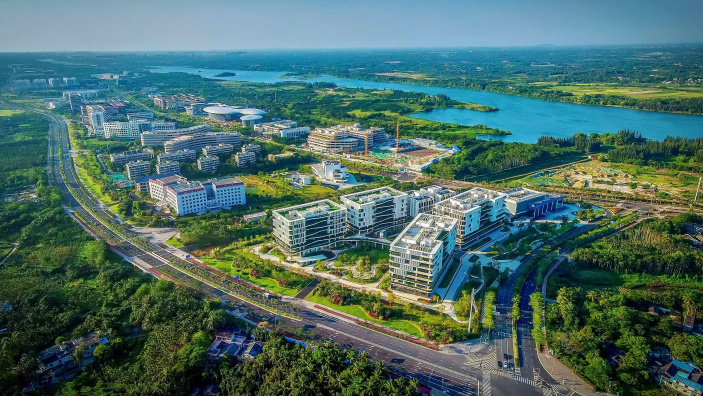
Lecheng: 1st China Use of Singapore-developed Bioabsorbable Bone Repair Material
18:53,01-August-2026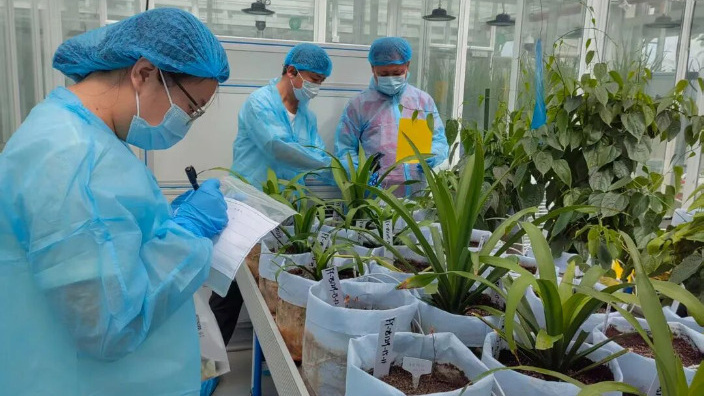
Sanya Nursery Launches Overseas Plant Introduction Service
18:53,01-August-2026
Hainan Issues CNY 1.45B in Certificates of Origin in H1
18:53,01-August-2026
Why Haikou Joined the Global Postal and Express Hub Cluster Club
18:53,01-August-2026
Hainan's Airports See 30%+ Growth in Overseas Passengers
19:51,30-July-2026
Danzhou-Yangpu Emerging from the Mist as a Key Gateway for Hainan and China's Opening-up
19:51,30-July-2026

Copyright © 2021 hiHainan.All rights reserved.琼ICP备09005000号-13
 thisishainan@163.com
Partner: Hainan College of Foreign Studies