


The development of the Hainan Free Trade Port is becoming an important fulcrum for China's new round of opening up. In this context, Southeast Asian countries' attention to Hainan is no longer limited to simple trade or investment opportunities, but rather examines the potential significance of the FTP from the perspective of regional industrial chain restructuring. For many Southeast Asian economies, Hainan is not only a free port with preferential policies, but also seen as an important platform for integrating into China's industrial system and connecting to higher value-added production chains.

For a long time, Southeast Asian countries have occupied upstream or midstream positions in the global supply chain due to abundant natural resources and early-stage manufacturing capabilities. For example, Indonesia and Malaysia have advantages in commodities such as energy and palm oil, while Vietnam and Thailand have developed rapidly in the areas of electronic assembly and light industrial manufacturing. However, these countries generally face a common challenge: the must discover how to gradually move from acting as resource suppliers or contract manufacturers to developing higher value-added industrial segments. In this transformation process, China's complete industrial system, vast market, and continuously increasing innovation capabilities have become key partners.
The emergence of the Hainan Free Trade Port provides a new interface for this cooperation. Through a more open trade system, more convenient customs arrangements, and more attractive tax policies, Hainan is expected to become a transit hub connecting Southeast Asian resources with China's manufacturing capabilities. For example, raw materials or semi-finished products from Southeast Asia can enter China's processing system through Hainan, where they can be transformed into high-value-added products thanks to high-level efficiency and advanced technologies, and then exported to the global market. This model not only helps improve the efficiency of resource allocation within the region but also reduces, to some extent, the institutional costs for enterprises in cross-border production.
From Southeast Asia's perspective, this cooperation is not a one-way dependency but rather a complementary relationship. On the one hand, China's manufacturing capabilities and technological innovations can help Southeast Asian countries extend local industrial chains and increase the added value of their export products. On the other hand, Southeast Asia's stable and diversified resource supplies also provide important support for China's manufacturing industry. With Hainan as a platform, both sides are expected to form a closer industrial division of labor system.
Furthermore, the Hainan Free Trade Port is not only an important supplement to regional economic integration but also has the potential to become key to promoting Asian economic integration. Under the Regional Comprehensive Economic Partnership (RCEP) framework, tariffs and institutional barriers between Southeast Asia and China have been significantly reduced. Hainan's institutional innovations in trade, investment, and cross-border flows provide greater flexibility and room for experimentation in regional cooperation.
In this initial stage, the core role of this platform is to promote cross-border business cooperation and supply chain integration. Companies can leverage Hainan as an interface to more efficiently connect with Southeast Asia's resource and semi-finished product supply chains, which can be combined with China's mature manufacturing system and innovation capabilities to optimize production layout, reduce costs, and enhance overall competitiveness. This kind of business-led collaboration will gradually strengthen regional economic ties, laying the foundation for deeper integration.
More importantly, institutional and policy changes have begun to signal accelerated regional integration. For example, some countries, including Malaysia, have implemented a 90-day visa-free policy for Chinese citizens. This not only facilitates people-to-people exchanges and business activities but also reflects, to some extent, the rise of regional labor mobility, and can be seen as an early sign of labor market integration.
As connections between people, capital, and industrial chains deepen, regional economic cooperation is expected to gradually move from current free trade arrangements to higher-level institutional integration, such as customs unions and even closer market connectivity. In this process, the Hainan Free Trade Port can play a dual role as a testing ground and hub, promoting the development of cross-border trade towards deeper mechanisms such as local currency settlement, reducing dependence on a single currency system, and further enhancing the autonomy and stability of the regional economy. Therefore, in the long run, Hainan is not only a new gateway for China's opening up, but also has the potential to become a crucial fulcrum connecting the Southeast Asian and Chinese economic systems, fostering the gradual formation of a regional economic ecosystem centered on Asia, characterized by division of labor, collaboration, and close connections.
Of course, Southeast Asian countries are not without concerns when considering Hainan. Some worry that over-reliance on the Chinese market or industrial system could weaken their own industrial autonomy in the long run. Furthermore, there is inherent competition among countries in the region in attracting foreign investment and developing manufacturing. Therefore, striking a balance between cooperation and competition remains a crucial issue for Southeast Asian countries participating in this emerging ecosystem.
Overall, from the perspective of Southeast Asian countries, the Hainan Free Trade Port is more like a key node embedded in China's production chain than a simple trade window. By combining Southeast Asia's resource and semi-finished product advantages with China's manufacturing capabilities and innovation system, a regional business ecosystem centered on Asia, characterized by division of labor, collaboration, and close connections is now taking shape. In this process, Hainan not only connects geographical spaces but also encourages higher level regional cooperation in the institutional and industrial arenas.
More importantly, the significance of the Hainan Free Trade Port may extend beyond serving as an open platform. The FTP may become the institutional starting point for Asian economic integration. In the current climate of accelerated global restructuring and rising external uncertainties, this platform provides countries in the region with a crucial opportunity to build alternative markets, strengthen internal resource circulation, and reduce external dependence. If this trend continues to strengthen, the future challenge for Asia will no longer be simply how to integrate into the global market, but how to shape a more independent and resilient regional economic system centered within the continent. (Author: Lee Weng Chang)

(Dr. Lee Weng Chang: Assistant Professor of Economics, Xiamen University Malaysia Campus).

Another Torch Relay Highlights Sanya's Ongoing Transformation
14:38,31-March-2026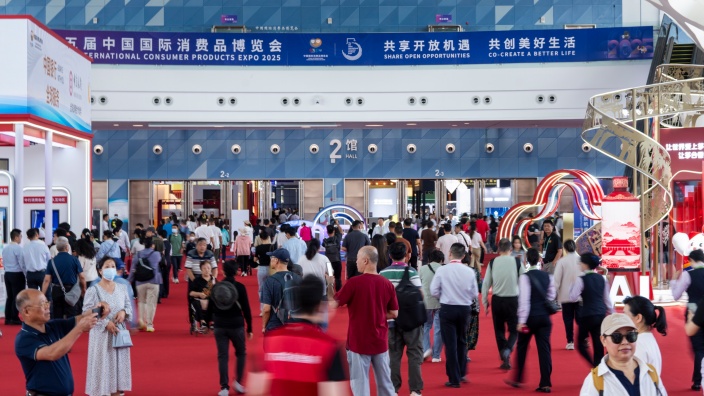
More than 3,400 brands will be on display at the 6th China International Consumer Products Expo in Haikou from April 13 to 18
14:38,31-March-2026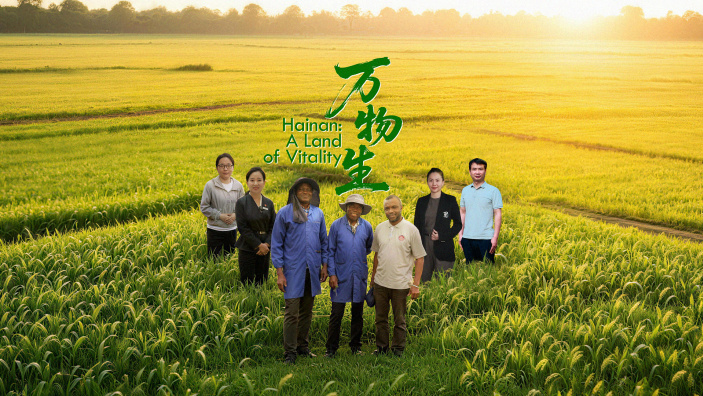
Hainan: A Land of Vitality
14:38,31-March-2026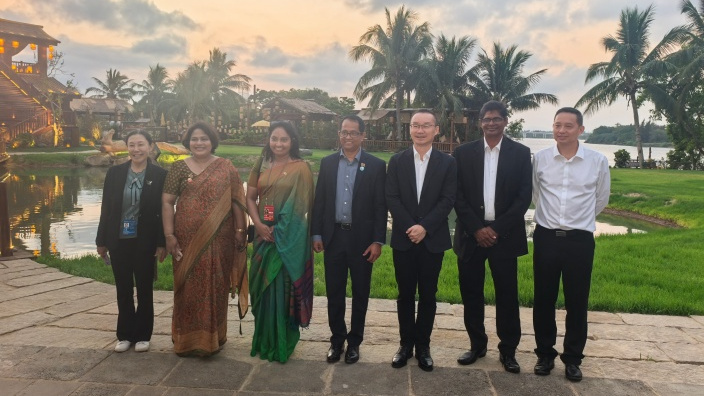
Sri Lankan Delegation Visits Liuke Village in Boao Town
14:58,30-March-2026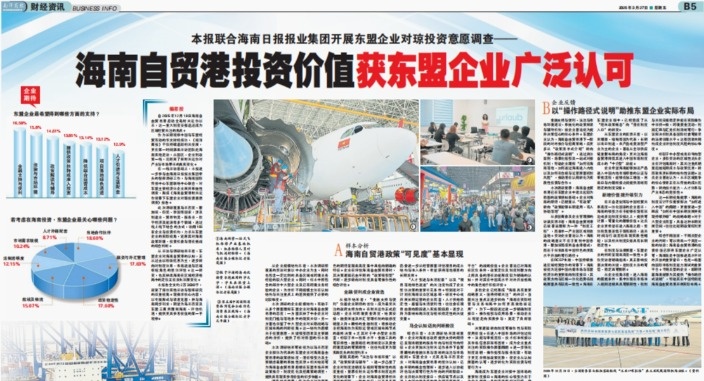
Hainan Daily, Nanyang Siang Pau Jointly Release ASEAN Investment Survey as Hainan Marks 100 Days of Special Customs Operations
10:53,30-March-2026
Lee Weng Chang: The Hainan FTP - The Institutional Starting Point of Asian Economic Integration
10:52,30-March-2026

Copyright © 2021 hiHainan.All rights reserved.琼ICP备09005000号-13
 thisishainan@163.com
Partner: Hainan College of Foreign Studies